06 Oct 2026 / Subhashish Homes

Purchasing a residence at thirty-five often focuses entirely on immediate joys like welcoming a newborn or hosting friends.
The true essence of a lasting sanctuary, however, requires looking decades ahead toward sixty-five and beyond. An intuitively planned environment evolves alongside its inhabitants organically. As we grow and daily routines shift, a well-considered living space anticipates those physical realities beforehand. Therefore, selecting a property with longevity in mind transforms a standard acquisition into an enduring family legacy.
The following sections explore how designing residences that age with you creates profound psychological comfort and why future ready homes Jaipur offer unparalleled elegance for every chapter of existence.
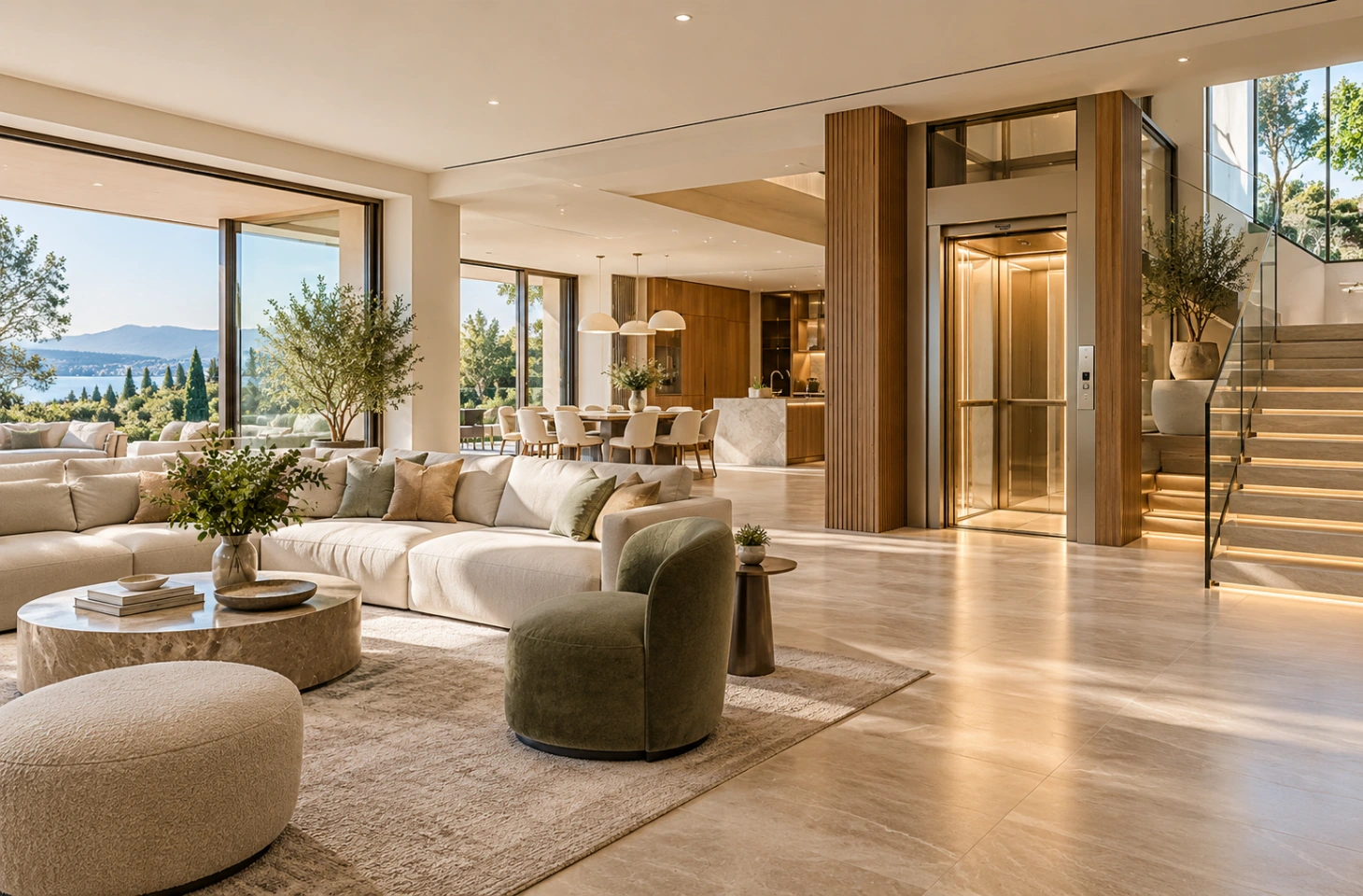
Moving around comfortably is an important part of feeling at home, especially as we grow older. When choosing a home for ageing parents, look for a layout that allows them to move easily from one room to another. Step-free entrances and level flooring can help reduce the risk of trips and make everyday movement easier.
This ease of movement should also extend to balconies, patios and other outdoor areas. Ideally, the flooring should meet at the same level, without a raised edge to step over. Such details can make these spaces easier to access, including for someone using a walker or wheelchair.
Beyond movement within a floor, consider how your parents will reach different levels. In an apartment building, a lift provides convenient access to their home. Similarly, in a multi-storey residence, a home lift can reduce the need to use stairs as their mobility needs change.
Even where a lift is available, stairs should be comfortable for those who choose to use them. Look for steps with enough space to place the whole foot and a gentle rise between each step. Sturdy, easy-to-grip handrails offer additional support and help older residents feel more confident while using the stairs.
Together, these features can make daily activities easier and support greater independence. A home that allows your parents to move around with confidence can contribute to their comfort and peace of mind.
The way a home is laid out can influence how comfortable we feel in it. Wider hallways and clear pathways make it easier for everyone to move around, particularly older parents who may use a walker or wheelchair. They also allow family members to pass one another comfortably, without having to squeeze through narrow spaces.
Along with easier movement, an open layout can help the family stay connected. When living, dining and kitchen areas are connected, people can talk and spend time together while going about their daily routines. These layouts also make it easier to notice when a child or an older family member needs help.
At the same time, enough room to move independently is one of the key features of a senior-friendly home. Being able to reach different parts of the house without repeatedly asking for assistance can help older parents maintain their confidence, privacy and dignity.
However, a comfortable family home also needs a balance between shared and private spaces. While a spacious living room brings everyone together, a quiet bedroom or reading corner offers a place to rest and enjoy time alone. For Indian families living across generations, this balance supports togetherness while respecting each person’s need for personal space.
Everyday comfort also depends on the details in personal spaces, especially bathrooms. Since wet floors can be slippery, choosing flooring designed to offer grip under wet conditions is important. Slip-resistant tiles can help make daily routines safer while complementing the look of the bathroom.
Alongside flooring, lighting deserves careful attention. As eyesight changes with age, older parents may need more light to see comfortably. A combination of general room lighting and focused lights near mirrors, reading chairs and bedside tables can make everyday tasks easier. The aim is to provide clear, even lighting without harsh glare or deep shadows.
Adjustable lighting adds another layer of convenience. Easy-to-use dimmers or smart controls allow residents to change the brightness to suit their needs. Lighting that shifts from brighter settings during the day to softer, warmer tones in the evening can also help create a relaxing setting before bedtime.
Natural daylight is equally worth considering when choosing a home. Well-positioned windows can bring light into frequently used rooms, while curtains or blinds help control glare. Together, daylight and thoughtfully placed indoor lights can make a home feel welcoming and help older parents move around with greater confidence.
A comfortable bedroom should be easy to reach and convenient to use. In a multi-storey home, a bedroom on the ground floor can reduce the need for older parents to use stairs. Keeping it close to the main living areas also means less walking between the spaces they use most often. Considering these needs early can help reduce the need for major changes later.
The bedroom should also offer privacy and quiet. Sound insulation between rooms and floors can reduce disturbance while other family members go about their routines. If space allows, a reading corner with a comfortable chair and suitable lighting gives older parents a peaceful place to spend time.
Along with quiet surroundings, colours can help make the room feel welcoming. Soft, muted shades and earthy tones can create a restful setting, guided by your parents’ personal preferences.
Practical details matter just as much. An attached or nearby bathroom makes daily routines more convenient, particularly at night. Wardrobes with easy-to-reach storage or pull-down fittings can reduce the need to stretch or bend. Finally, leaving clear space around the bed and other furniture makes it easier to move around, helping your parents use their room comfortably and independently.
Safety is an important consideration when choosing a home for a multigenerational family. Along with everyday security, consider how easily help could reach someone during an emergency. Wide doorways and clear access routes can make it easier for medical teams to enter and assist a family member.
Security systems can provide additional reassurance. Cameras in shared areas and around the property, along with controlled entry points, help manage access. Smart locks or biometric systems can also make entry more convenient for residents and trusted caregivers, provided they are easy to use and have a reliable backup access option.
Inside the home, small features can make everyday movement more comfortable. For example, motion-sensor lights can illuminate the route from the bedroom to the bathroom at night, reducing the need to search for a switch in the dark.
Power backup is another practical consideration, especially if a family member uses electrically powered medical equipment. It is important to check whether the backup can support the specific equipment and for how long, rather than assume that a building’s general power backup will cover it.
Together, these features can help families feel more prepared and secure. The best home features for multigenerational families address everyday needs while allowing for additional support as those needs change.
A multigenerational home should remain comfortable as the family’s needs change over time. This begins with a balance between privacy and togetherness. Separate bedrooms and quiet corners give each person space of their own, while shared living areas bring grandparents, parents and children together.
For many Indian families, living across generations is a valued tradition. Thoughtful design can support this way of life without compromising the home’s appearance. Features that make a home easier for older parents to use can fit naturally into modern interiors through carefully chosen layouts, fittings and finishes.
Shared spaces deserve particular attention. In the kitchen, work surfaces at different heights can accommodate family members who prefer to sit or stand while preparing food. A comfortable dining area, meanwhile, gives everyone a place to gather for meals and everyday conversations.
This sense of connection can extend outdoors as well. A courtyard or garden offers a place to sit, spend time together and enjoy greenery within the property. Even, slip-resistant pathways and seating along the way can make these areas more comfortable for older family members to use.
Ultimately, a well-designed home gives every generation room to live independently while making it easy to share daily life.
Technology can make everyday life at home more convenient, especially for older parents. Voice-controlled systems allow them to switch on lights or adjust room settings without getting up. Similarly, automated temperature controls and motorised curtains can help them keep their surroundings comfortable with less physical effort.
However, these features are most useful when they are easy to understand and operate. Simple controls, familiar switches and the option to make adjustments manually give residents more choice in how they use their home. Some smart systems can also remember preferred settings or follow daily schedules, reducing repetitive tasks.
Beyond technology, a home needs to accommodate the changing needs of the family. For households living across generations, this means considering both present routines and the support older family members may need later. Senior-friendly features can form a natural part of the home’s overall design.
A home chosen for the long term should continue to feel comfortable and familiar as its residents grow older. When practical layouts, accessible features and useful technology work together, they can help each generation enjoy greater ease and independence in daily life.
A home should remain comfortable through every stage of life. At Sā – The House of Shubhashish, this belief guides our approach to creating spaces that bring together lasting quality, everyday comfort and understated luxury.
At Shubhashish Forest, spacious layouts and a connection with nature create a welcoming setting for family life. Similarly, Shubhashish Prakash offers bright interiors that give different generations room to spend time together and enjoy their own space.
For families considering a home across multiple levels, our triplex villas feature private elevators that make moving between floors more convenient. Such details can support everyday independence as family members grow older and their needs change.
Choosing a home is also about considering the years ahead. From raising children to caring for ageing parents, it should offer room for changing routines, shared experiences and personal comfort. Explore Sā’s residences to find a home that meets your family’s needs today and supports the life you want to build together. Call us at +91 7413 99 33 99.

 Enquiry
 Call
Call Whatsapp
 Contact us