07 Jul 2026 / The House of Shubhashish
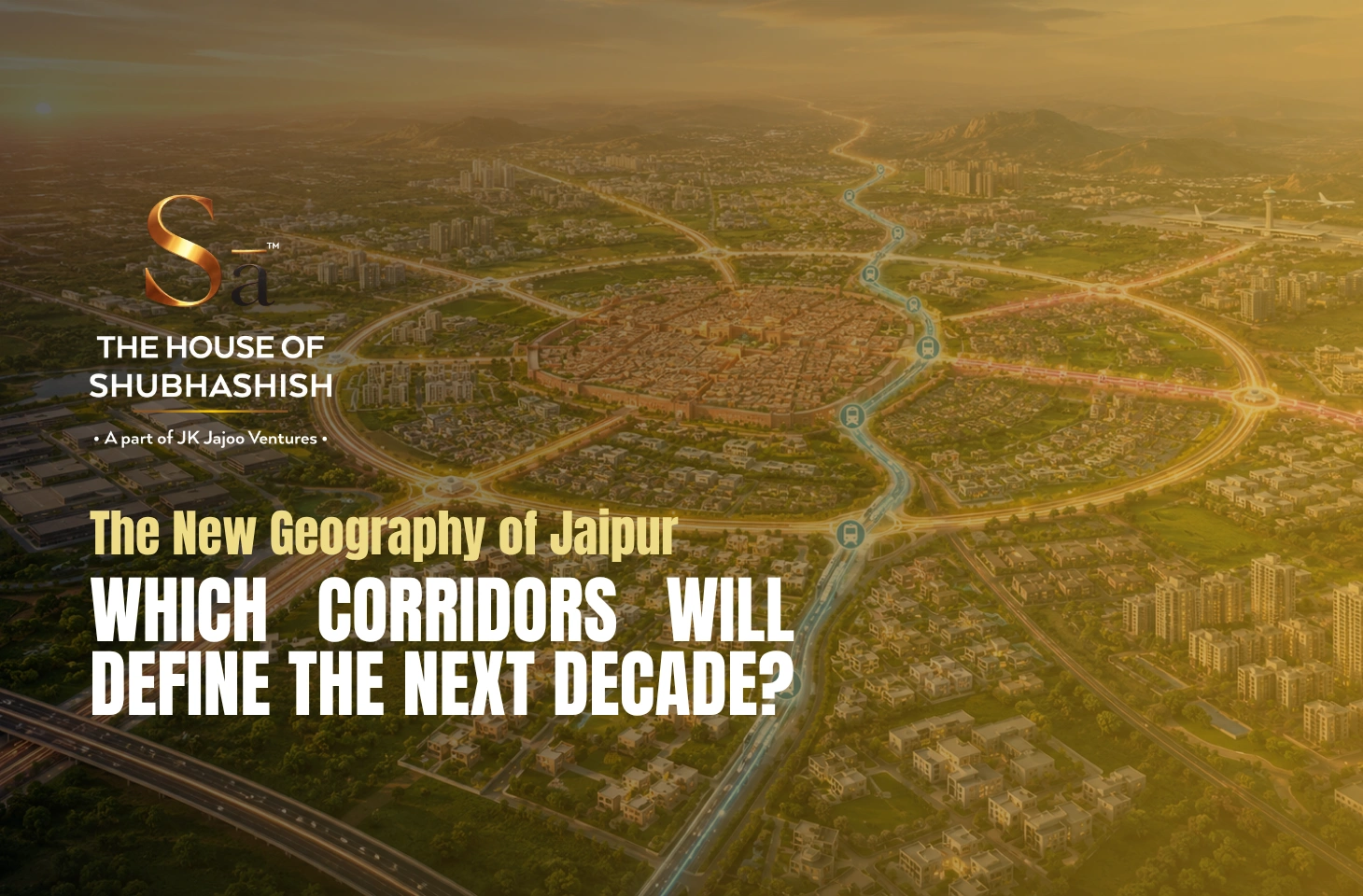
Every city gets a moment when its map quietly redraws itself. Jaipur is living through one right now.
For most of living memory, the address that mattered sat inside the old walls or a short drive from them. C-Scheme, Bapu Nagar, Civil Lines: these names carried the city's ambitions. Then the expressway arrived, the Ring Road closed its loop, and a second metro line won approval. Almost overnight, the conversation shifted from the centre to the edges.
This piece maps the Jaipur real estate market as it stands in 2026, explains why the growth has drifted outward, and walks you through the corridors most likely to shape the coming decade. Consider it a field guide for anyone weighing property investment in Jaipur while the window stays open.
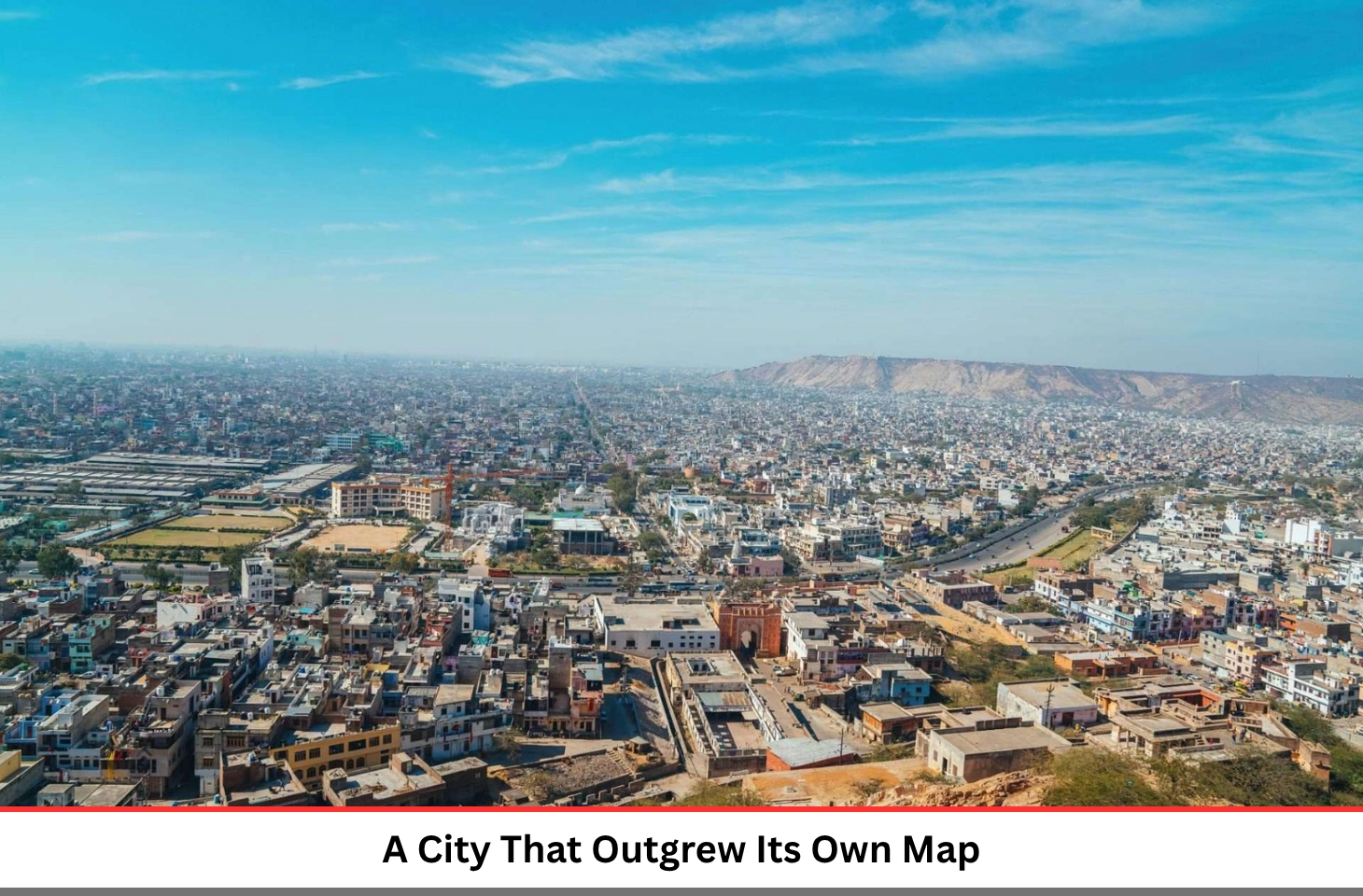
Start with the numbers, because they set the tone. Market trackers estimate that residential prices in Jaipur climbed roughly 65 percent between 2020 and 2025, placing the city among the fastest movers in India's Tier-2 pack. Emerging localities and the outskirts now trade broadly between Rs 4,000 and Rs 7,000 per square foot, while prime central pockets command Rs 8,000 to Rs 20,000. That spread is the whole story in one line: the periphery still offers headroom, and the headroom is closing.
Three pieces of steel and tarmac explain the momentum.
The Delhi-Mumbai Expressway has trimmed the Delhi-Jaipur run to around three hours, pulling NCR money and weekend footfall straight into the city's western belt. The Ring Road now stitches Ajmer Road, Tonk Road and Sikar Road into one continuous arc, so a plot on any of them plugs into all of them. And in 2026, the Union Cabinet cleared Jaipur Metro Phase 2: a corridor of roughly 42 kilometres from Prahladpura in the south to Todi Mod in the north, 36 stations, underground stops near the airport, and a sanctioned cost above Rs 13,000 crore. Civil work on the first stretch is expected to begin by late 2026 or early 2027.
When a city commits that much concrete to its edges, the edges stop being edges. They become the next centre.
Infrastructure is running ahead of price. History across Indian cities shows that localities within a kilometre or two of a new metro alignment tend to appreciate faster than the city average once work begins, with several studies pegging the lift at 15 to 20 percent over the build cycle. Jaipur's Phase 2 alignment was announced this year, which means the window between announcement and appreciation is open as you read this.
The pricing floor keeps rising. The DLC rate, the government's minimum valuation for property registration in Rajasthan, is revised every April. The 2025 revision lifted most residential and commercial zones in Jaipur by about 10 percent, and each fresh revision resets the base beneath market prices. A rising floor firms up everything above it, and it rewards buyers who move before the next April rather than after.
Buyer taste has changed. Today's homeowner wants square footage, greenery, layered security and a lawn the children can actually use. Gated townships and plotted communities deliver that brief, and they need land in generous parcels. The periphery has the land. The centre has the memories. The market has picked its side.
Planning agrees with the market. The JDA's development framework steers fresh residential growth toward the outer ring and the highway belts, and civic investment follows the plan: roads first, then schools, clinics and retail, then families. So the outward migration reads less like a fashion and more like a blueprint.
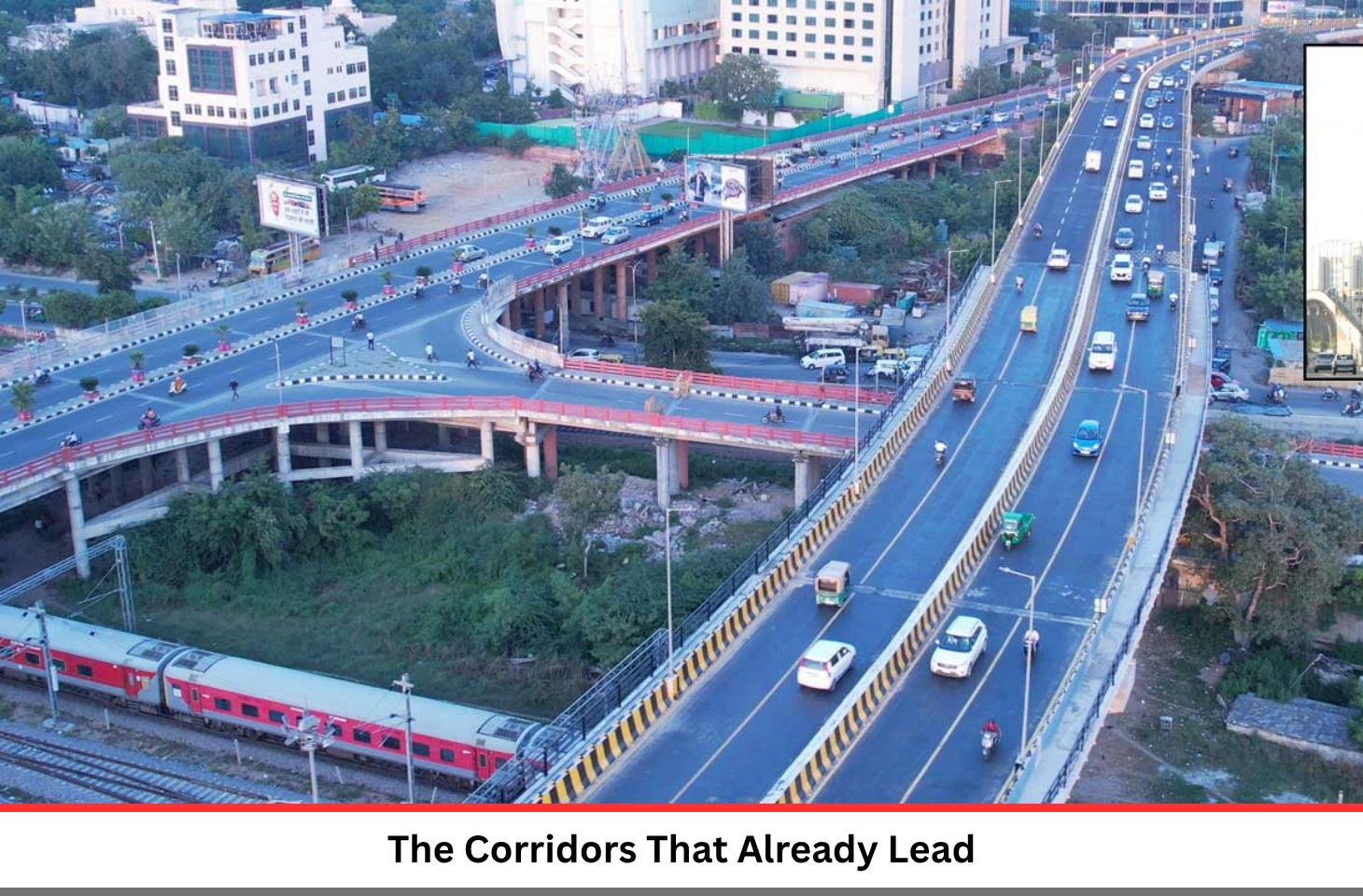
Among all the Jaipur growth corridors, three have finished proving themselves. They set the tempo for the rest of the city.
Picture a highway flanked by an operating SEZ, corporate campuses and the country's flagship freight corridor, with premium homes a short drive from all of it. That is Ajmer Road in 2026. Mahindra World City anchors the employment story, the Delhi-Mumbai Industrial Corridor supplies the long-term logic, and the expressway link gives NCR buyers a practical reason to look west of the walled city.
Because land here arrives in large, clean parcels, this belt hosts Jaipur's grandest low-density communities: resort-style villas, wide internal roads, landscaping measured in acres rather than corners. For buyers who want scale, privacy and an income engine humming nearby, Ajmer Road investment remains the benchmark the other corridors are judged against.
Every city hides a sweet spot where connectivity and calm shake hands. In Jaipur, this is it. Mansarovar Extension borrows the mature social infrastructure of Asia's largest residential colony next door, schools, hospitals, markets, all of it already built, while offering newer stock, wider layouts and cleaner air on its own streets.
Recent flyover and road-widening work has shortened the commute, the operational Pink Line sits within easy reach, and planned metro expansion keeps improving the arithmetic. Families who want the city near and the crowds far treat Mansarovar Extension property as the natural answer, and its steady, consistent appreciation over the past three years suggests the market agrees.
Airport on one flank, Sitapura's industrial belt on another, universities and coaching hubs scattered through the middle. Jagatpura runs on movement, and its tenant base skews young, salaried and plentiful. Property portals consistently rank it among the city's strongest localities for rental returns, with yields near 5 percent, a figure most Indian residential markets would envy.
That dependable stream of tenants is precisely the point. Investors who measure a home by the rent it collects keep circling Jagatpura real estate, and the upcoming metro corridor toward Sitapura only sharpens the case.
Also Read: Jaipur's Best Localities for Luxury Home Buyers in 2026
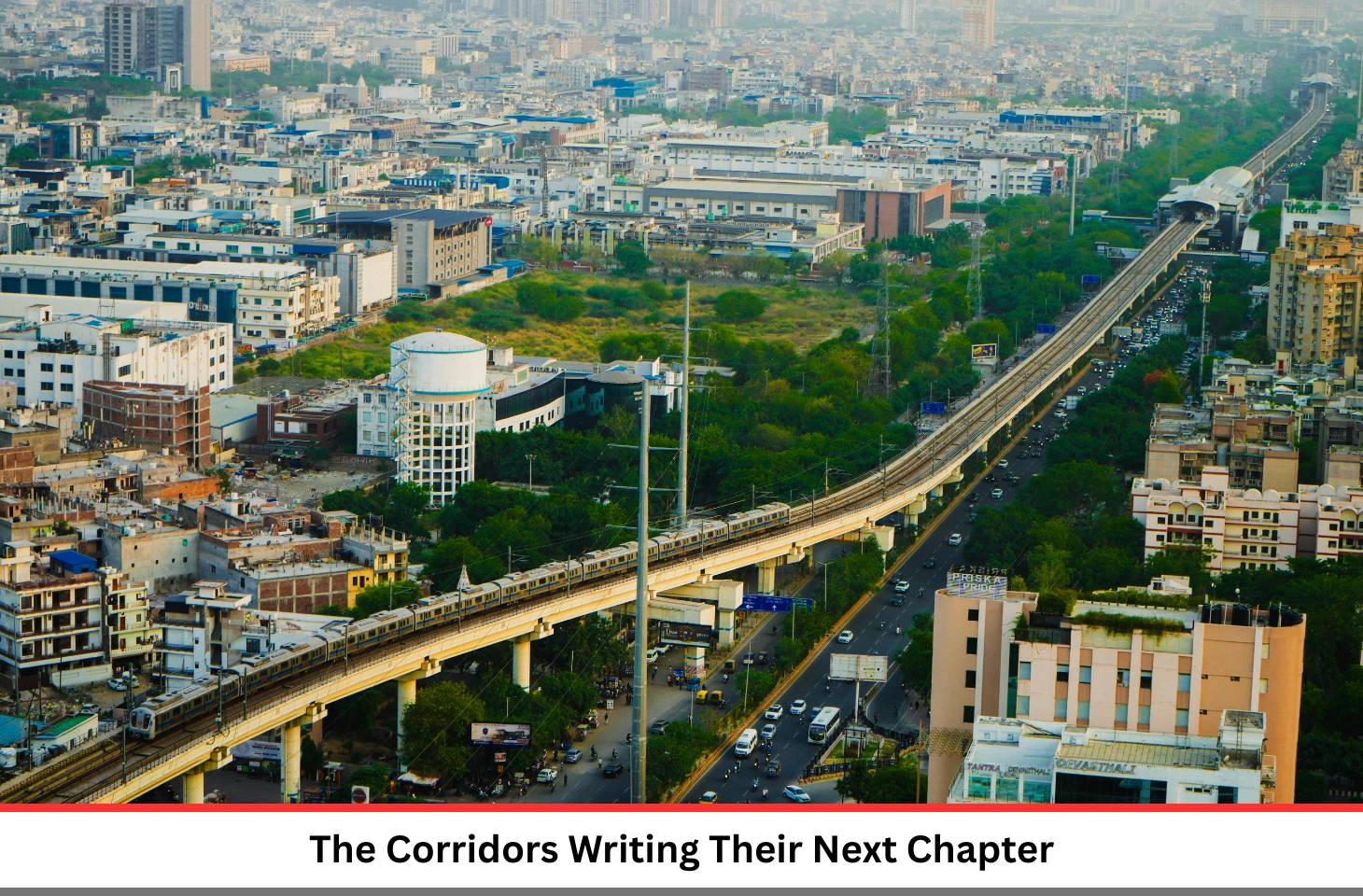
Past the established names sit the upcoming real estate hotspots in Jaipur, belts still in their opening act, where the infrastructure has been announced and the pricing still remembers an earlier era.
Here is a detail worth underlining: the very first package of Metro Phase 2, a 12-kilometre priority stretch with ten stations, runs from Prahladpura along the Tonk Road corridor. Add the airport, the Ring Road interchange and a fast-thickening commercial spine of hotels and offices, and the southern belt looks like the single clearest beneficiary of this decade's public spending. Township-scale schemes are already assembling land here. Big money likes a big canvas, and Tonk Road offers plenty of room to paint.
Todi Mod, the northern terminus of the approved metro corridor, sits on this belt, and that one fact changes its future. Sikar Road pairs the jobs of the Vishwakarma Industrial Area with some of the friendliest entry prices among the six corridors, which makes it the classic first-home, long-horizon play. Buy modestly today, let the metro map do the heavy lifting, and give the neighbourhood a few years to mature around you.
For buyers whose game is land rather than built space, this north-western stretch delivers. Quick links to NH-52 and the Ring Road have drawn steady interest in plotted developments, and search-traffic rankings on major portals place it among the city's most-watched localities. The playbook is simple and old as dirt: secure the earth while the roads are still arriving, then let time compound quietly.
Six belts, one honest question: what do you actually want your money to do?
After a forever home with room to breathe? Ajmer Road and Mansarovar Extension fit the brief. Hunting rental income? Jagatpura keeps the cheques arriving. Drawn to land you can hold or flip? Kalwar Road and Tonk Road reward patience. Starting small with a long horizon? Sikar Road opens the gate at a gentle price. Anyone searching for the best location to invest in Jaipur will find the answer depends far more on the goal than on the map.
Then comes timing. The DLC floor resets each April, the metro's first tenders are moving, and the expressway has already shortened the distance between Jaipur and the deepest pool of buyers in North India. The gap between today's price and tomorrow's is real, and it narrows by the quarter.

Prudence pays, so run this quick checklist before any handshake. Confirm the project's RERA registration on the Rajasthan RERA portal. Verify JDA approval and a clean, marketable title. Study the developer's delivery record across past projects. Compare the locality's DLC rate against recent transaction prices to gauge how much froth sits in the ask. A buyer who does these four things enters every negotiation from higher ground.
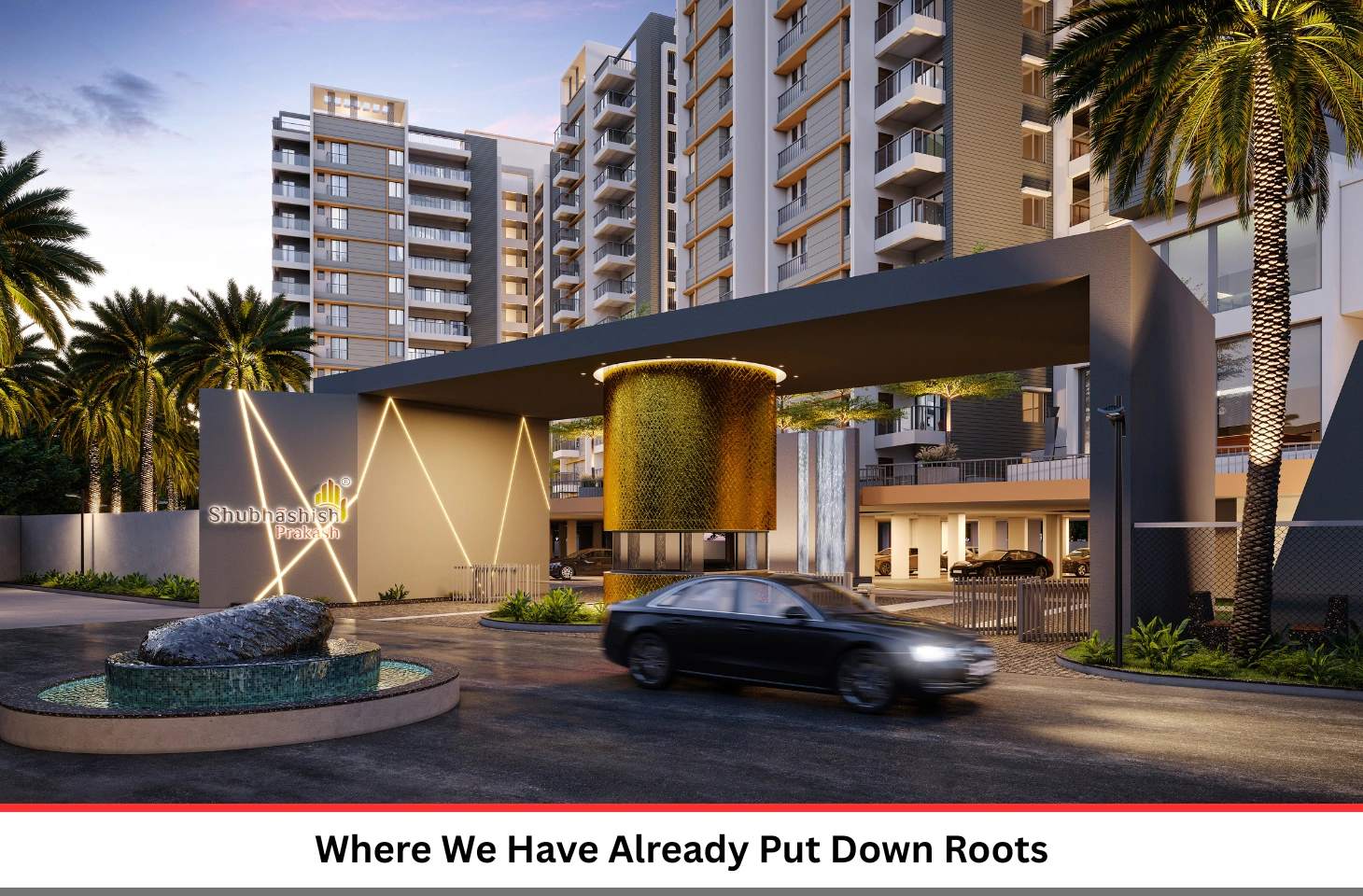
We read this shift early, and we built for it. Across the very corridors now leading the city's growth, our communities let residents own tomorrow's Jaipur at today's address.
In Mansarovar Extension, Shubhashish Prakash brings sunlit, thoughtfully planned apartments to the locality that balances buzz and calm better than any other. On Ajmer Road, Shubhashish Forest spreads resort-style villas across generous green grounds, squarely inside the city's strongest employment belt. In Jagatpura, Shubhashish Marina pairs serene waterfront living with the rental engine next door.
Each carries what serious buyers look for: open landscaping, layered security, solar-powered essentials, leisure worth staying home for, and the on-time delivery habit we have kept for four decades. Wherever the future breaks ground in Jaipur, we would be glad to help you stake your claim.
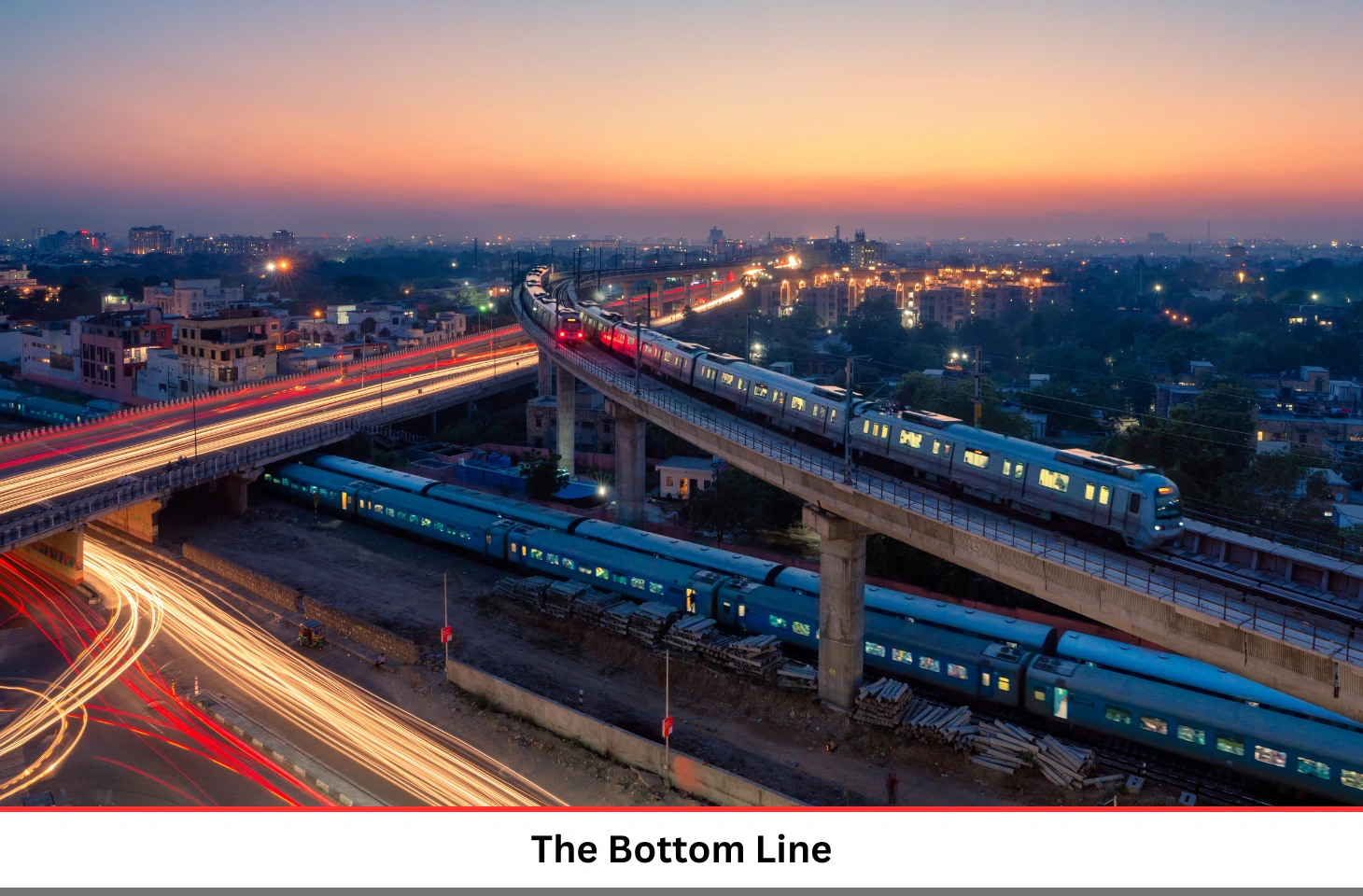
Jaipur has redrawn itself, and the ink is drying fast. The next decade of gains belongs to the future growth areas in Jaipur where expressways, metro pillars and open land converge, and to the buyers who act while the arithmetic still favours them. Come walk our communities across these corridors, weigh the scale for yourself, and pick the corner of the new map that will carry your name. Reach out to our team, and let us open the door.

 Enquiry
 Call
Call Whatsapp
 Contact us