07 Aug 2026 / Subhashish Homes

Six percent inflation may seem small. But over twelve years, it can reduce what your money can buy by almost half.
That is why wealthy families have two goals. The first is to grow their wealth. The second is to protect its value for the future.
So where are they putting their money? The answer is becoming clear. In FY26, the total value of homes sold across India's top 75 cities increased by 16% to nearly ₹9.33 lakh crore. However, the number of homes sold stayed almost the same. This means buyers were spending more on each home. More money is moving into premium real estate.
In this blog, we'll explore why luxury property investment is becoming a trusted way to preserve wealth, what the latest market data reveals, the risks every buyer should understand, and what this means for those considering real estate investment in Jaipur.
The phrase gets used loosely, so it helps to separate two goals that behave very differently. Wealth creation seeks the highest return available and accepts volatility as the price of entry. Wealth preservation aims to carry purchasing power intact through inflation, market cycles and generational handovers, accepting a steadier return in exchange for durability.
Equities, private equity and structured products generally serve the first goal. Gold, bonds and tangible assets serve the second. Premium property occupies an interesting middle position, offering the stability of something physical alongside participation in economic growth, which explains its rising share of affluent portfolios.
Timing explains part of the current enthusiasm as well. India is midway through an unusually large handover of wealth, as founders, professionals and family businesses pass capital to a younger generation. Money in transition tends to seek assets that hold their footing, and advisors describe a familiar pattern in which liquid gains from business exits and market runs get converted into something solid. Property has long occupied that role in Indian households, and the premium segment now absorbs a growing share of it.
To understand why luxury homes help preserve wealth, it's important to know what drives their value. In many markets, luxury homes don't appreciate faster by chance. Their value grows because of a few key factors.
The first is the cost of building a similar home today. A luxury home is made using premium land, high-quality materials, skilled craftsmanship, and modern construction standards. As the cost of these keeps rising with inflation, building the same home becomes more expensive. As a result, well-located luxury homes that already exist often become more valuable over time. This is one reason luxury property can keep pace with inflation.
Scarcity supplies the second force. Mass-market housing responds quickly to demand, since developers can add supply within a couple of cycles. Large land parcels in established locations behave differently, because they exist in fixed quantity. Analysts note that this controlled inventory gives the premium segment a genuine buffer during market corrections, since supply struggles to flood the way it does further down the market.
Land itself completes the picture. In any home, the structure depreciates gradually while the land beneath it holds and often gains. Low-density formats such as villas and plotted communities carry a higher proportion of land value per home, which is a large part of why they age differently from high-rise inventory.
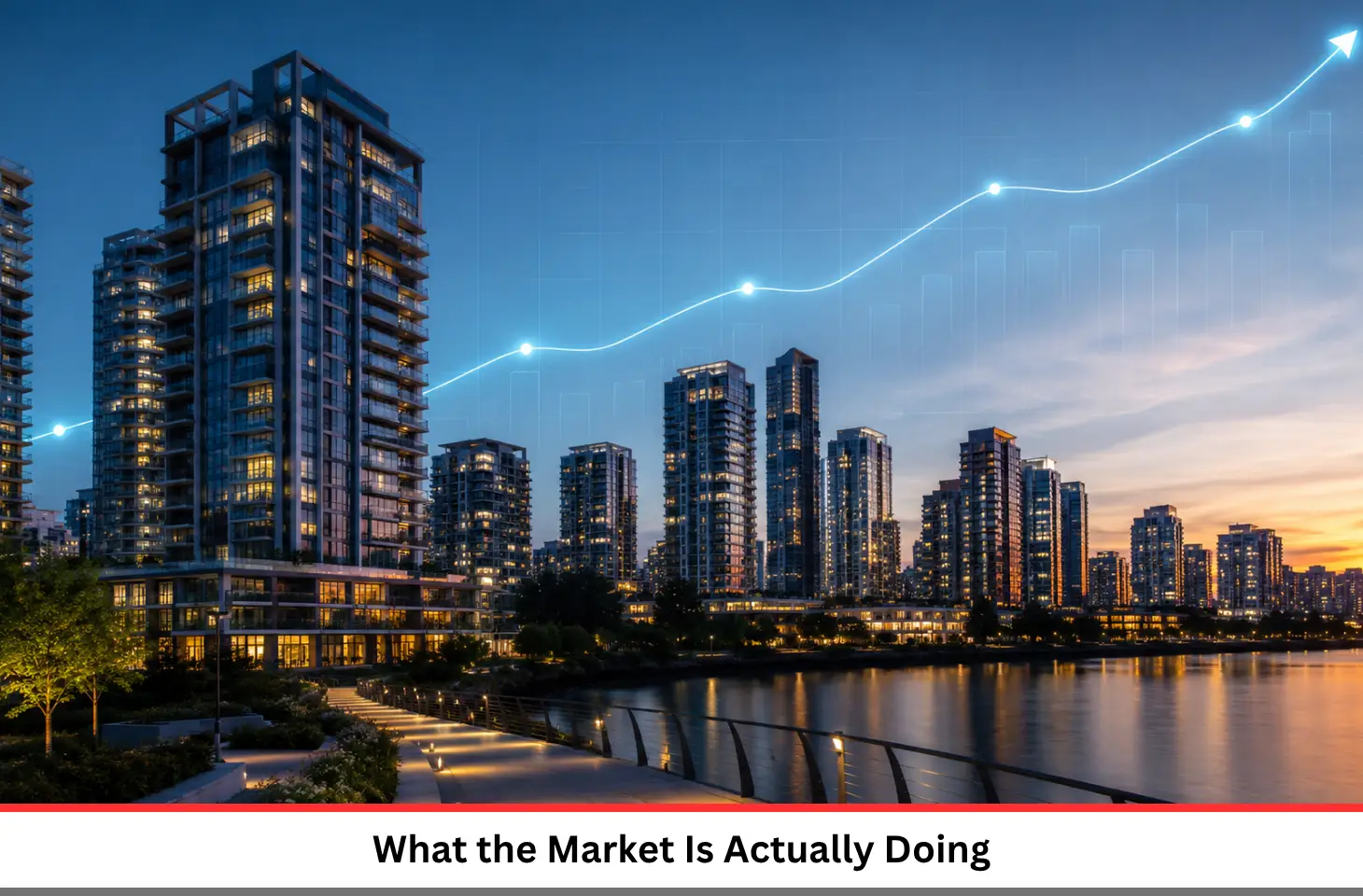
Evidence from the last two years supports the theory, and the numbers are striking.
Luxury housing accounted for around twenty-eight percent of total property sales in 2024, against roughly sixteen percent before the pandemic. Homes priced above one crore rupees captured about sixty-two percent of all residential sales in the first half of 2025. Demand for homes above four crore rupees rose twenty-eight percent year on year in early 2025 across the top seven cities. By 2024, close to a third of high-net-worth wealth in India sat in high-end and commercial property.
Sentiment points the same way. A survey by India Sotheby's International Realty found that more than sixty percent of HNIs and ultra-HNIs planned to invest in property within two years. India's high-net-worth population continues expanding rapidly, with projections placing it around 1.65 million by 2027, and much of that new wealth arrives from founders and professionals who treat a home as portfolio infrastructure rather than only a residence.
Premium property carries one quality that sets it apart from every other preservation asset, and it deserves emphasis because balance sheets rarely capture it. Gold sits in a locker. Bonds sit in a folder. A home shelters your family, hosts your celebrations and shapes your daily life while it does its financial work.
Generational transfer strengthens the case further. A well-titled property passes to children as a single, comprehensible asset with a clear address and clear paperwork, which simplifies succession considerably. Families also tend to hold inherited homes rather than trade them, so the asset stays intact through the transition instead of being liquidated in pieces. For families thinking in terms of decades and heirs, that durability carries real weight.
Rental income adds a further layer for those who buy to let. Well-located premium homes in strong micro-markets generate steady yields, and rental rates tend to rise with inflation, which means the income stream itself carries a measure of protection. Approaching luxury real estate as an investment therefore works best over long holding periods, where rental flow, personal utility and land value compound together.
Sound analysis includes the other side of the ledger, and honest advisors flag several points. A January 2026 survey indicated that fifty-six percent of Indian HNIs anticipated a cooling luxury residential market by FY27, which suggests demand may normalise after an exceptional run. Observers have also noted a widening gap between project launches and actual construction progress, raising questions about execution timelines at some developers. Price overshooting in select micro-markets and an over-extension of ultra-luxury supply in certain cities warrant scrutiny as well.
Property also carries lower liquidity than financial instruments, since selling takes months rather than minutes, and transaction costs run higher. Wealth preservation through property therefore suits capital a family can commit for years, which is precisely why it complements liquid holdings instead of replacing them.
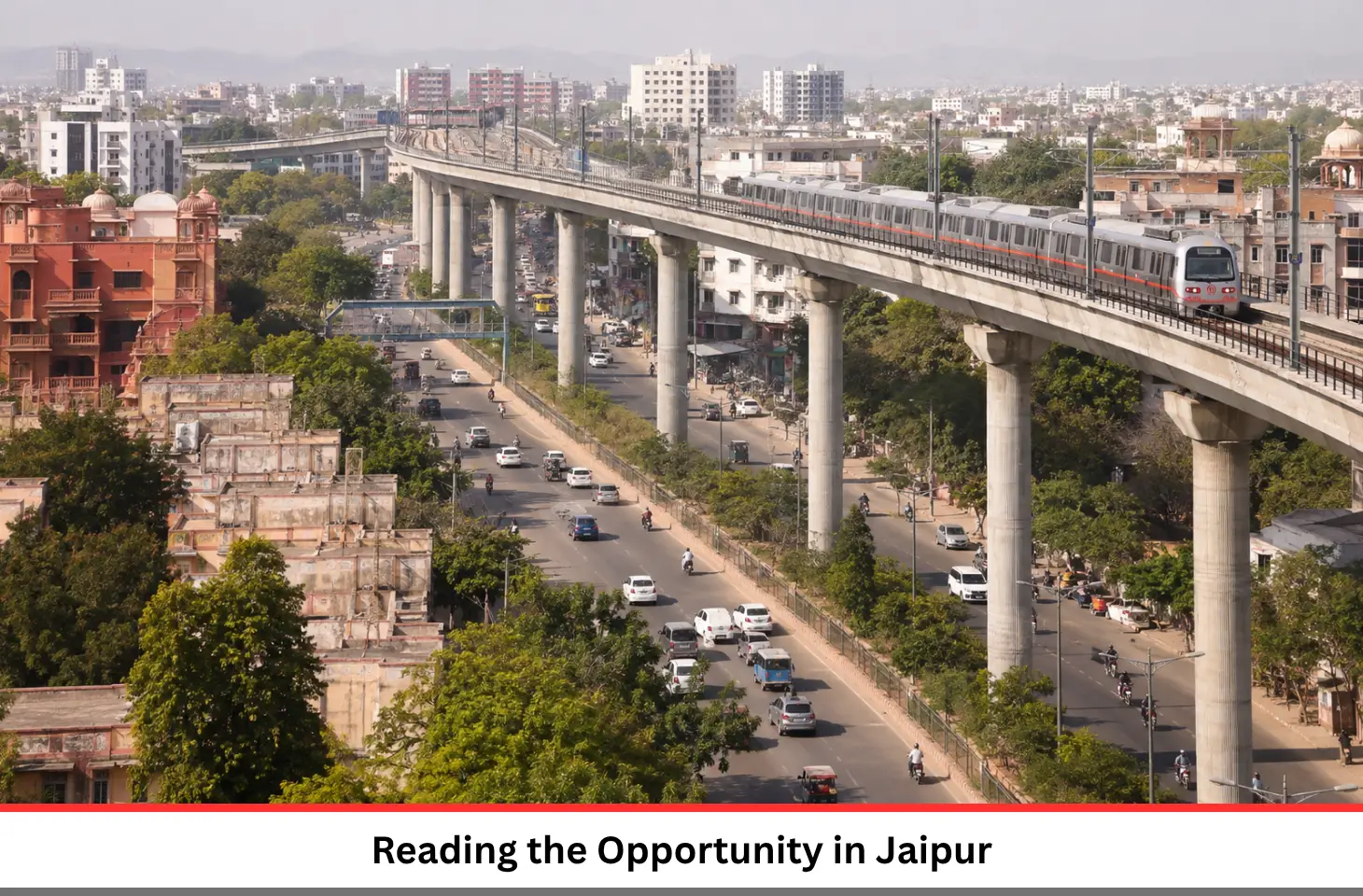
These national patterns arrive locally with a particular character, and Jaipur offers a useful case study for anyone weighing premium property investment beyond the metros.
Entry pricing here sits well below Delhi or Mumbai for comparable specifications, which lets the same capital acquire genuine land area rather than a compact apartment. Infrastructure momentum is substantial, with the Delhi-Mumbai Expressway shortening the drive from the NCR, the Ring Road linking the major corridors and the approved second metro phase extending across the city. Employment anchors including Mahindra World City and the growing IT and education clusters supply the tenant base that rental strategies depend on.
The combination that matters for preservation is straightforward: land you can genuinely own, in a city where infrastructure keeps improving, at prices that leave room for the long game. That said, corridor selection within the city drives outcomes considerably, so location research repays the effort generously.
At The House of Shubhashish, we believe a luxury home should offer more than a premium address. It should deliver lasting value. That is why we focus on locations with strong growth potential, thoughtful planning, quality construction, and spaces designed for modern living. Whether it is the nature-inspired villas at Shubhashish Forest on Ajmer Road or the waterfront residences at Shubhashish Marina in Jagatpura, our aim is to create homes that remain relevant and desirable for years to come.
The right home is more than a purchase. It is a long-term decision. Explore The House of Shubhashish's luxury residences and discover how thoughtful real estate choices can support your future.

 Enquiry
 Call
Call Whatsapp
 Contact us