24 Mar 2026 / The House of Shubhashish

Buying a home is the biggest investment most people make and in 2026 many buyers are hesitating, asking the same anxious question: Is now the right time, or should I wait? Headlines about booming sales in luxury housing and muted demand in affordable segments create conflicting signals. Some buyers fear they might be paying peak prices. Others hope a correction is just around the corner.
In reality, the question itself can be misleading. 2026 does not look like a year of broad price crashes. Instead, it is shaping up as a time of stable growth and smart buying, supported by real data and market trends. This article cuts through the noise with up-to-date facts and analysis. We'll look at what nationwide reports and surveys say about price trends in 2026, explain the key factors behind those trends, and show what buyers can focus on instead of timing the market. Finally, we'll translate it into practical guidance - including what this means for Jaipur homebuyers and how The House of Shubhashish fits into today's landscape.

Many homebuyers feel uneasy entering the market right now. After a few years of strong growth, the housing market seems to have cooled in volume terms, especially outside the top tier. In 2025, overall home sales were down in many cities. However, news reports describe the market as "normalising" or entering a "phase of consolidation."
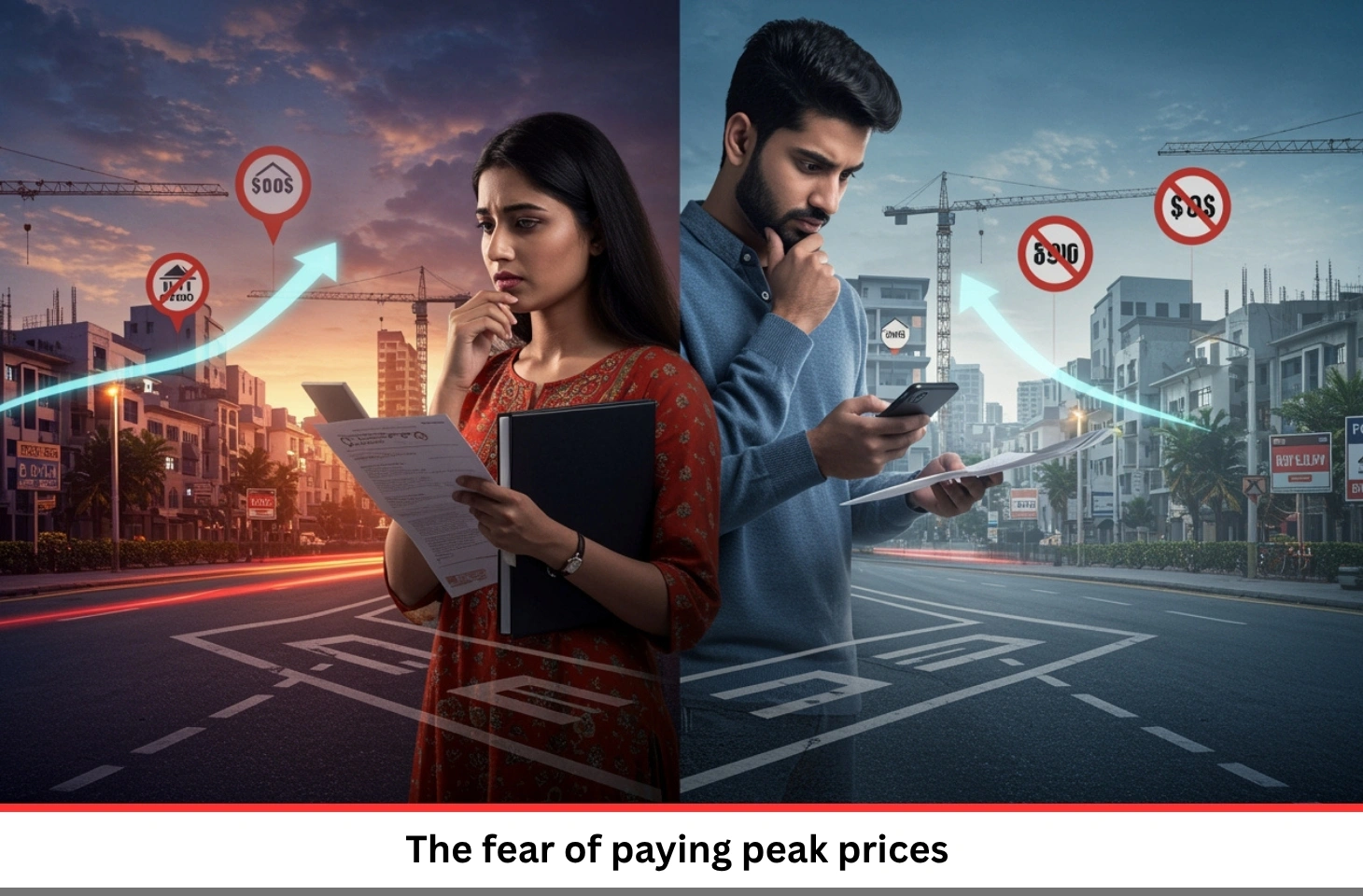
The last couple of years saw heavy price gains in many regions, so it's natural to fear that prices might be unsustainably high today. Those who bought early in the boom are now looking at homes in tier-2 and tier-3 cities that have soared in value. It can feel like waiting a year might save lakhs of rupees. This is the classic 'buy-low-avoid-high' anxiety.
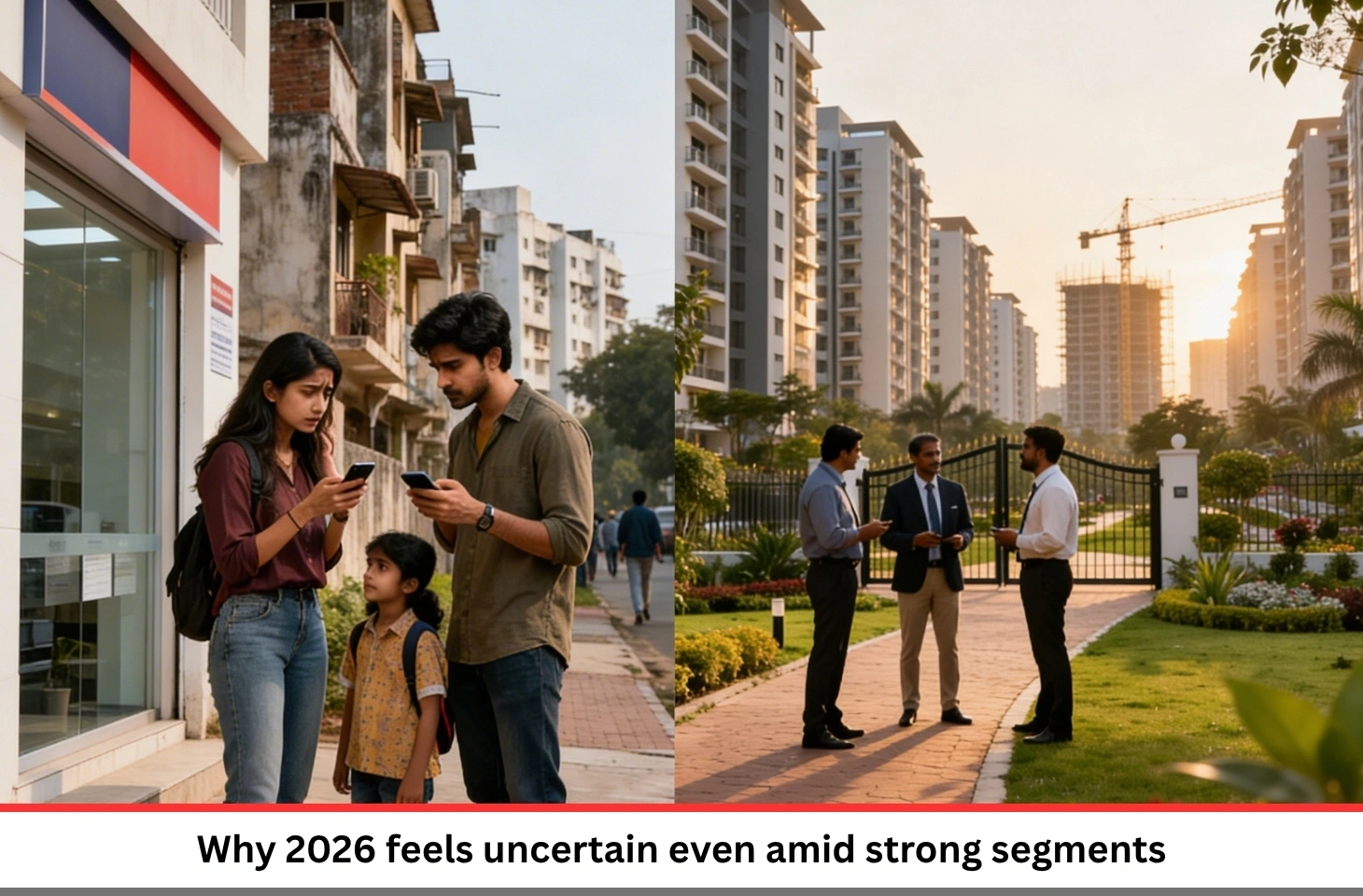
The market today is not uniform. High-end and luxury housing demand remains surprisingly strong, buoyed by wealthy buyers, while affordable and mid-segment demand has softened. For instance, a recent survey showed that premium homes (priced above ₹1 crore) accounted for 63% of all sales in 2025. This luxury focus drives national price indices up, even though entry-level segment demand is weak. The result is a mixed picture: in metro cities, projects with world-class amenities are selling briskly, but many mid-market projects see slower uptake.
Buyers feel torn between these signals. On one hand, high-end demand suggests prices could keep firming. On the other, weaker sales in affordable segments suggest caution. Headlines can be misleading: they might say "Housing sales drop by 10%" or "Tier-II city demand dips," which sounds ominous, but they often omit that in many places values are still stable or rising. In fact, for 2026 we must look closer at the data to see what's really happening.
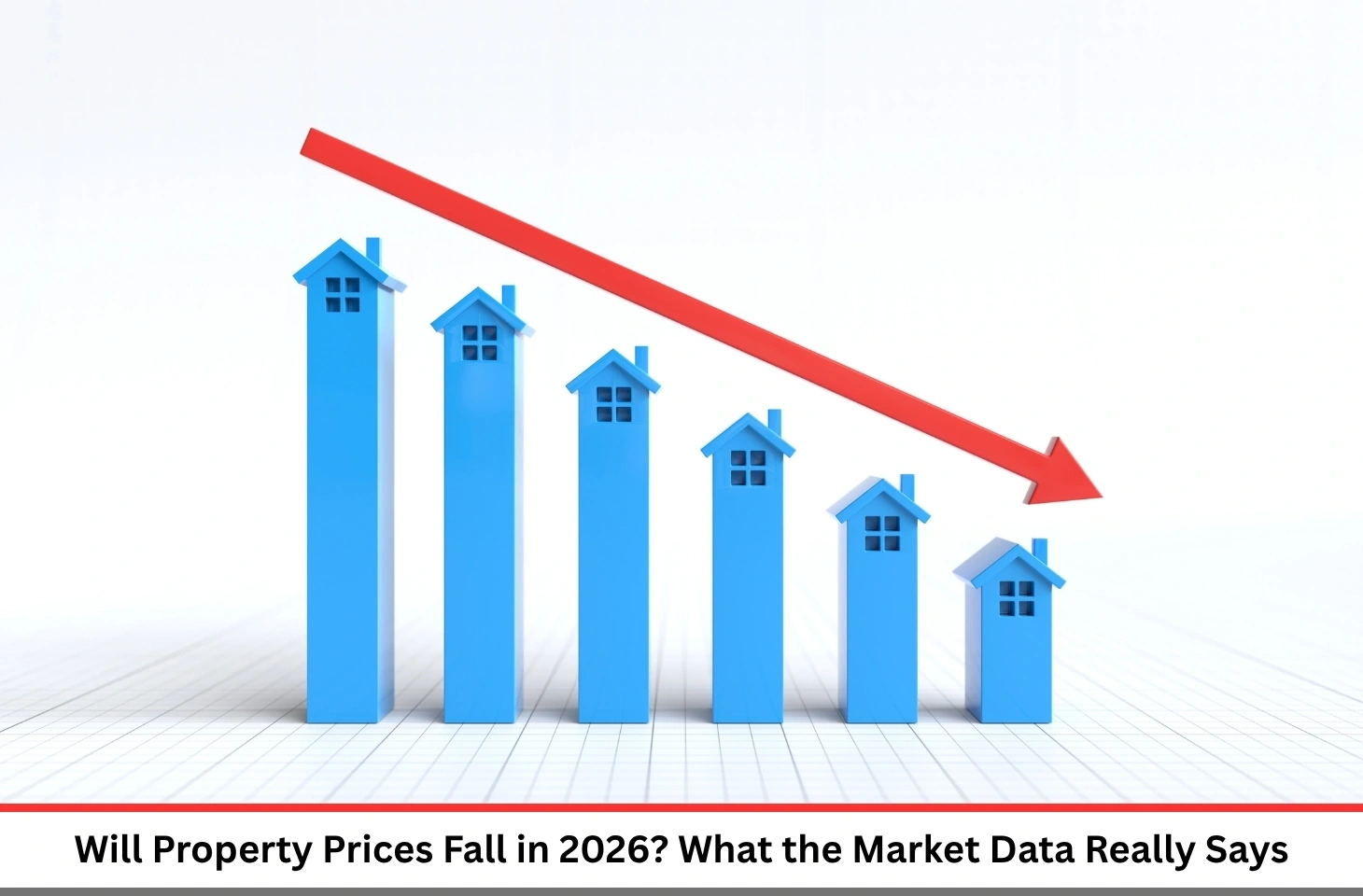
If you are waiting for a massive house price crash in 2026, the current data suggests it probably isn't coming. Instead of a sudden drop, prices are mostly staying steady or growing by a small, predictable amount each year. This is because people are still buying homes to actually live in, which keeps the market firm even though the wild boom we saw recently has finally started to cool down.
That said, how the market feels depends entirely on where you are looking. While prices in major hubs like Bengaluru are still climbing, other smaller areas might see prices flatten out or even dip slightly as they find their balance. The big takeaway is that while the days of prices doubling overnight are over, a total market collapse is off the table, leaving us with a much calmer and more stable year ahead.
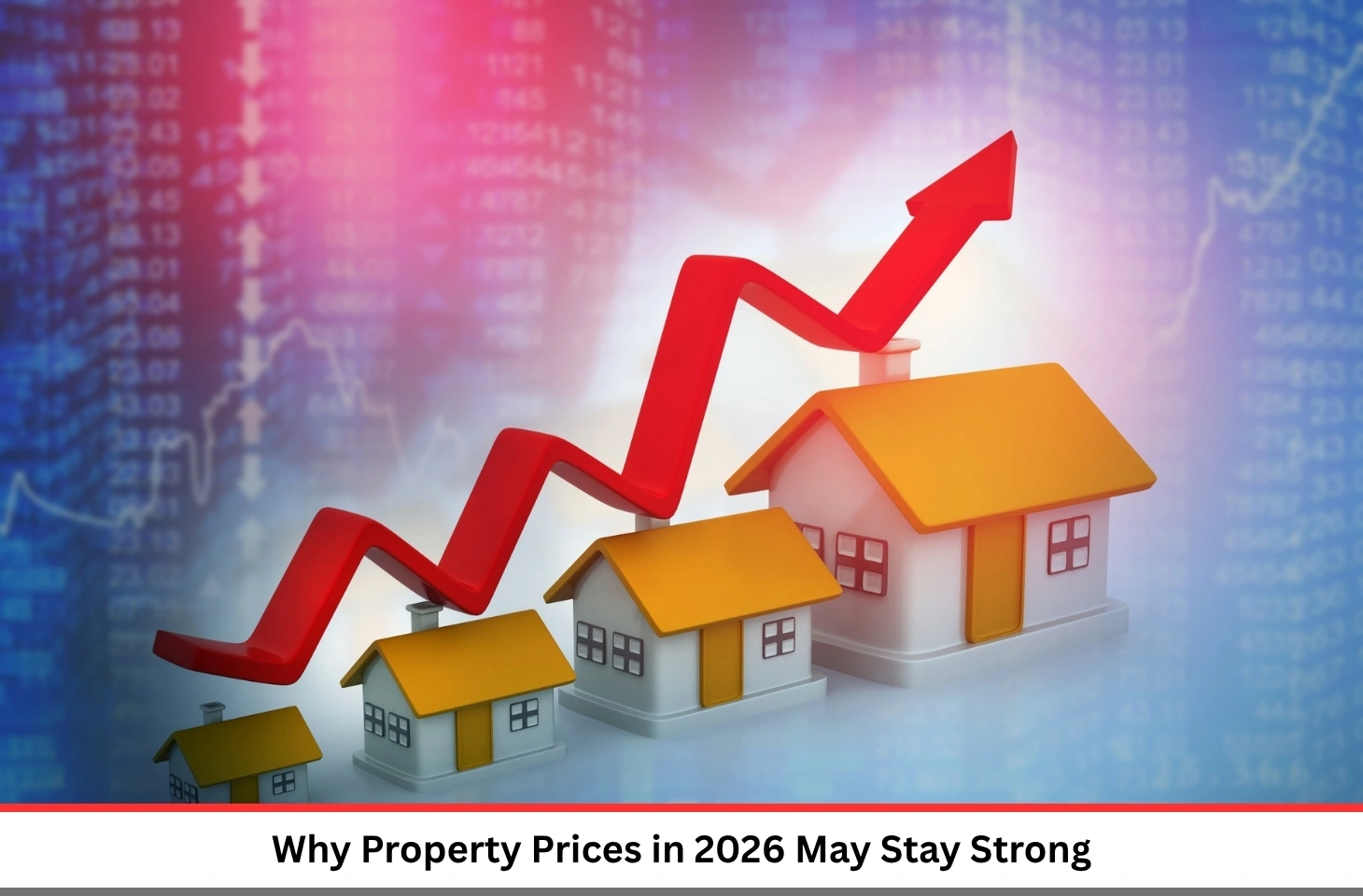
If prices aren't crashing, what's keeping them up? Several core factors explain why prices remain resilient or even rise in parts of the market.
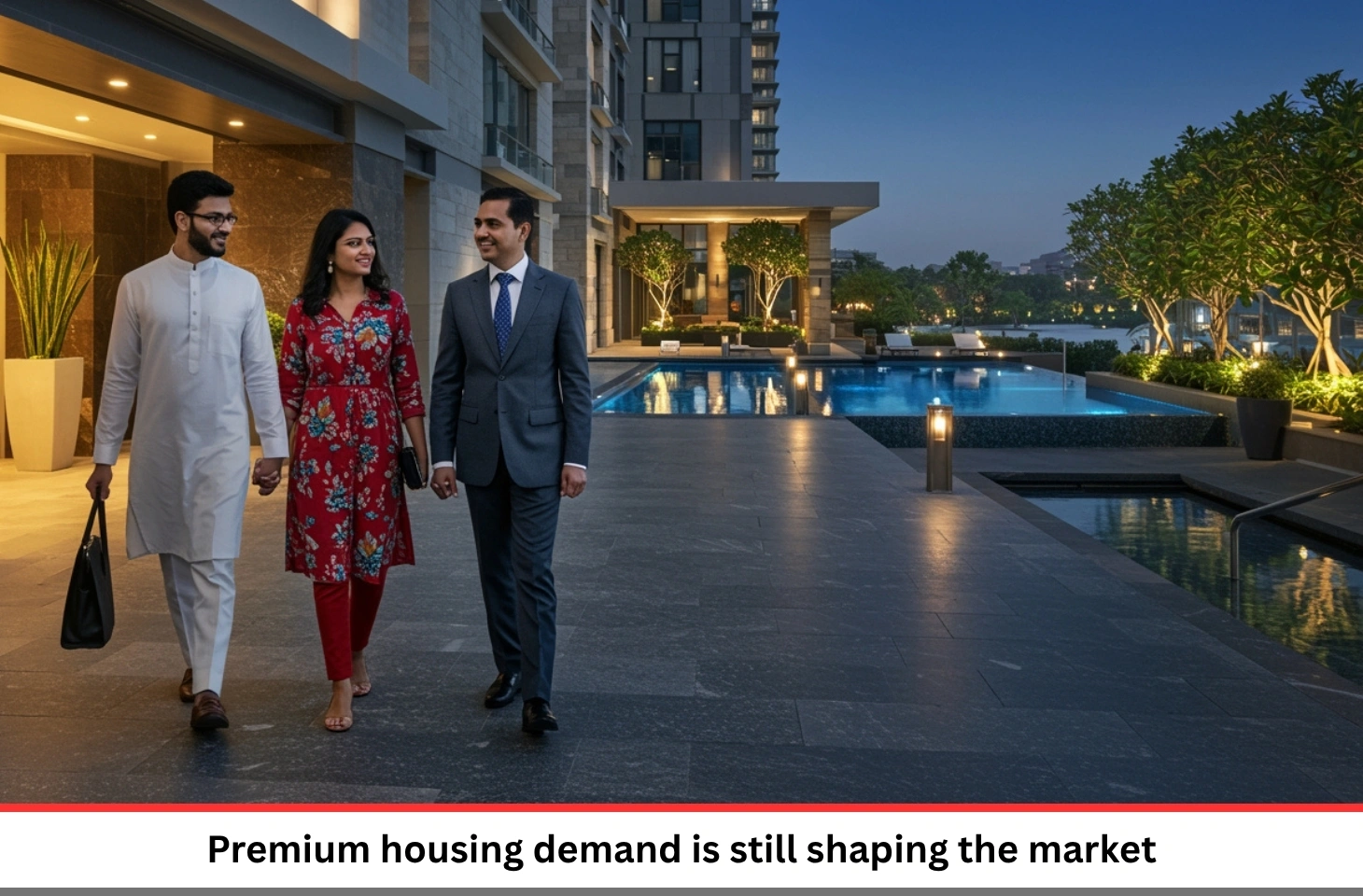
Wealthy buyers currently have more influence on the market than mass buyers. As cited earlier, sales of luxury homes have jumped up. Analysts point out it makes economic sense for builders to focus on premium projects, since affluent buyers can bear higher costs.
These luxury projects rarely get slashed in price - instead developers sell amenities, location and style. In essence, a boom in high-end housing is dragging the average price index up.
So if you are looking at premium or aspirational segments, prices may continue to climb slowly.
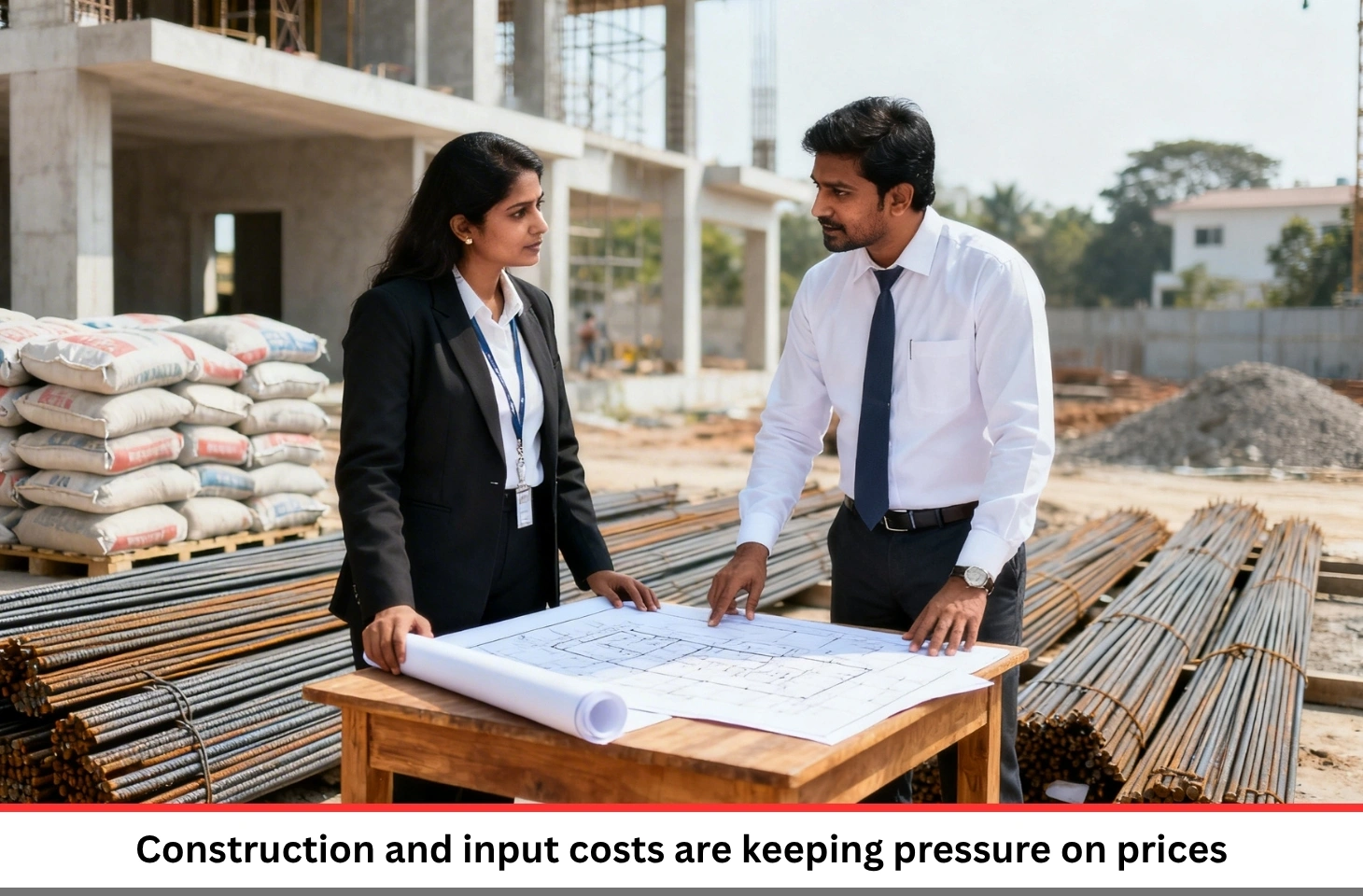
Even if demand were to ease further, costs alone can keep prices from falling. Construction materials have been expensive and volatile. Recent geopolitical events have added new risks.
For example, the Middle East conflict in March 2026 pushed crude oil up per barrel. That has downstream effects - higher transportation costs, more expensive bitumen and PVC, even rising prices for steel and cement (as shipping routes are disrupted). Indian companies are already cutting production due to gas shortages. All these factors mean developers face higher budgets.
If building costs are rising or at least not falling, developers aren't inclined to drop prices.
Instead they may offer occasional incentives (like extended payment plans) while keeping base prices steady. In short, rising input and fuel costs form a floor under prices.
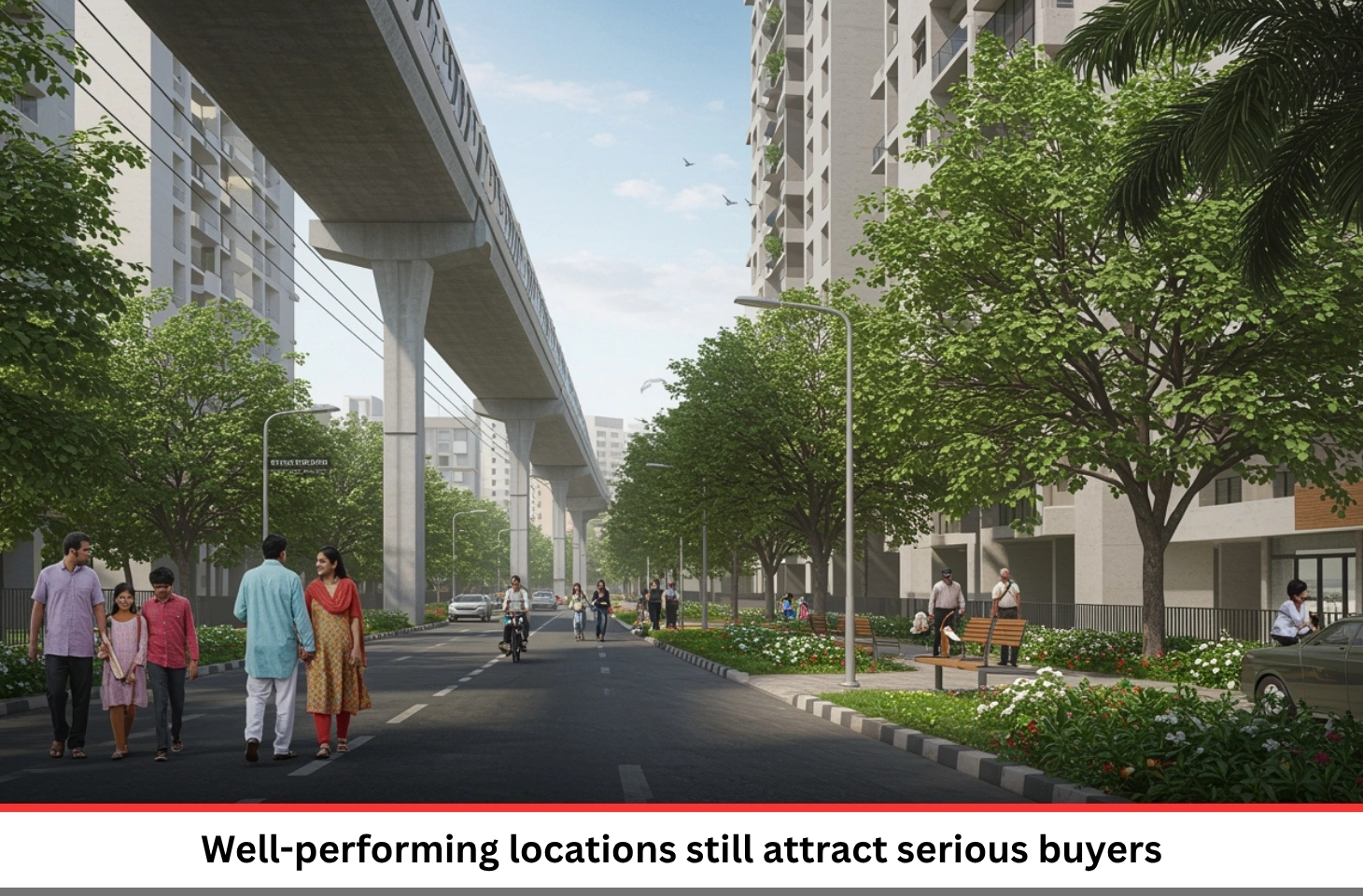
Not all neighborhoods move in sync. The strongest micro-markets - those with new infrastructure, good connectivity, and established amenities - continue to see fresh demand.
For example, in Jaipur (and similarly in other cities) growth corridors like Jagatpura (Buy homes in Jagatpura Jaipur), Mansarovar Extension, and the Ajmer Road SEZ area have been attracting buyers. These areas combine good roads, proximity to jobs or schools, and many new projects. The House of Shubhashish itself has focused on such corridors in Jaipur. For context, market analyses show these new zones have seen double-digit annual growth; one report notes Jagatpura pockets rose 20-25% annually in recent years.
In metros too, well-connected suburbs or high-demand zones (say, an area with a new metro line or highway access) will hold value better than stagnant pockets. Buyers with clarity on where to live and why (jobs, schools, lifestyle) are still making purchases. This selective demand in certain locations keeps their prices firm even if other areas cool off.
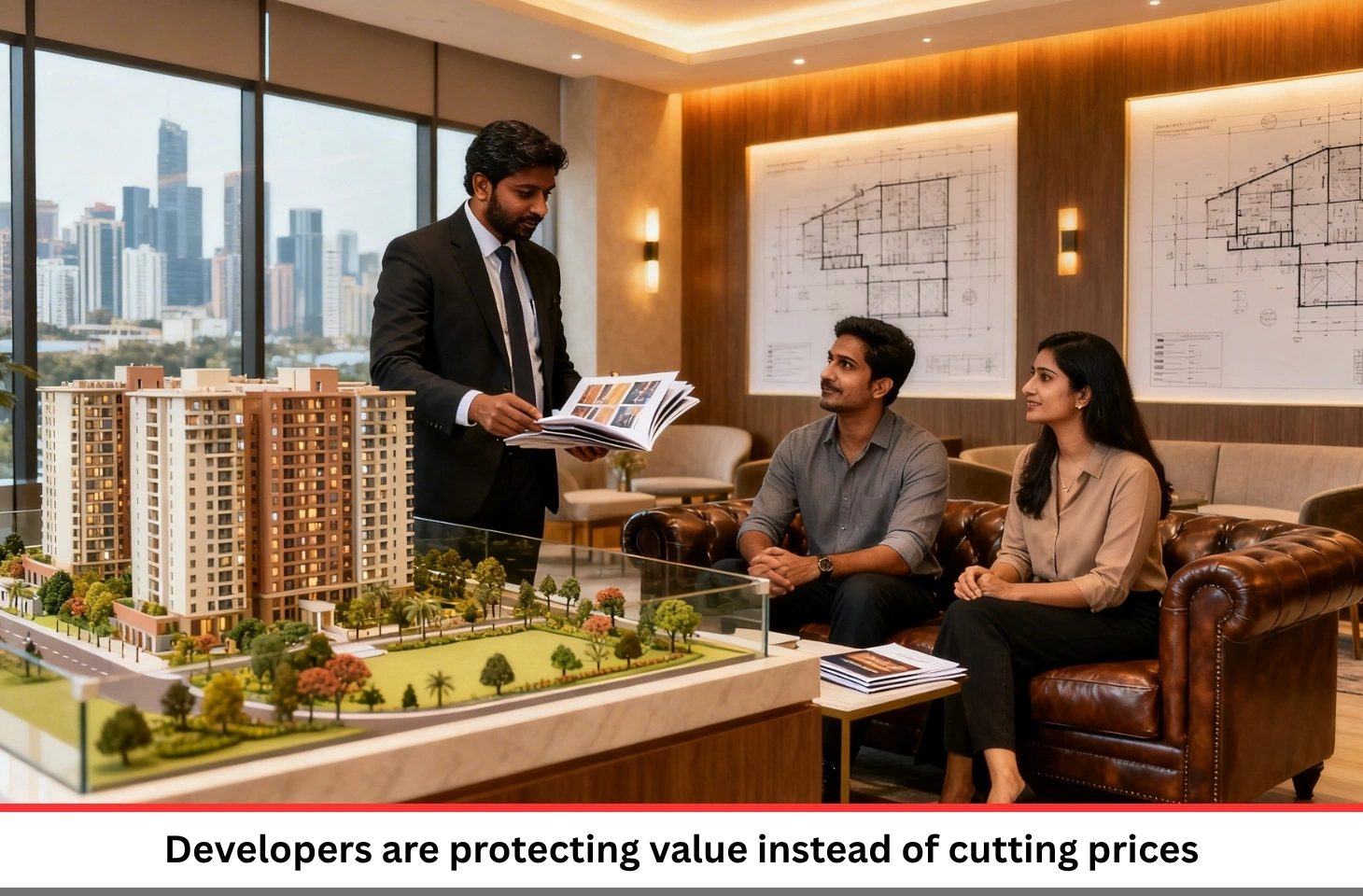
Given the mixed demand, many developers have chosen to adjust their strategies to protect revenue. Instead of slashing sale prices, they may launch fewer units, offer flexible payment plans, or include limited-period benefits (like freebies or discounts on floor rise).
Also Read: What Homebuyers in Jaipur Truly Look for in Modern Residential Amenities (2026 Edition)
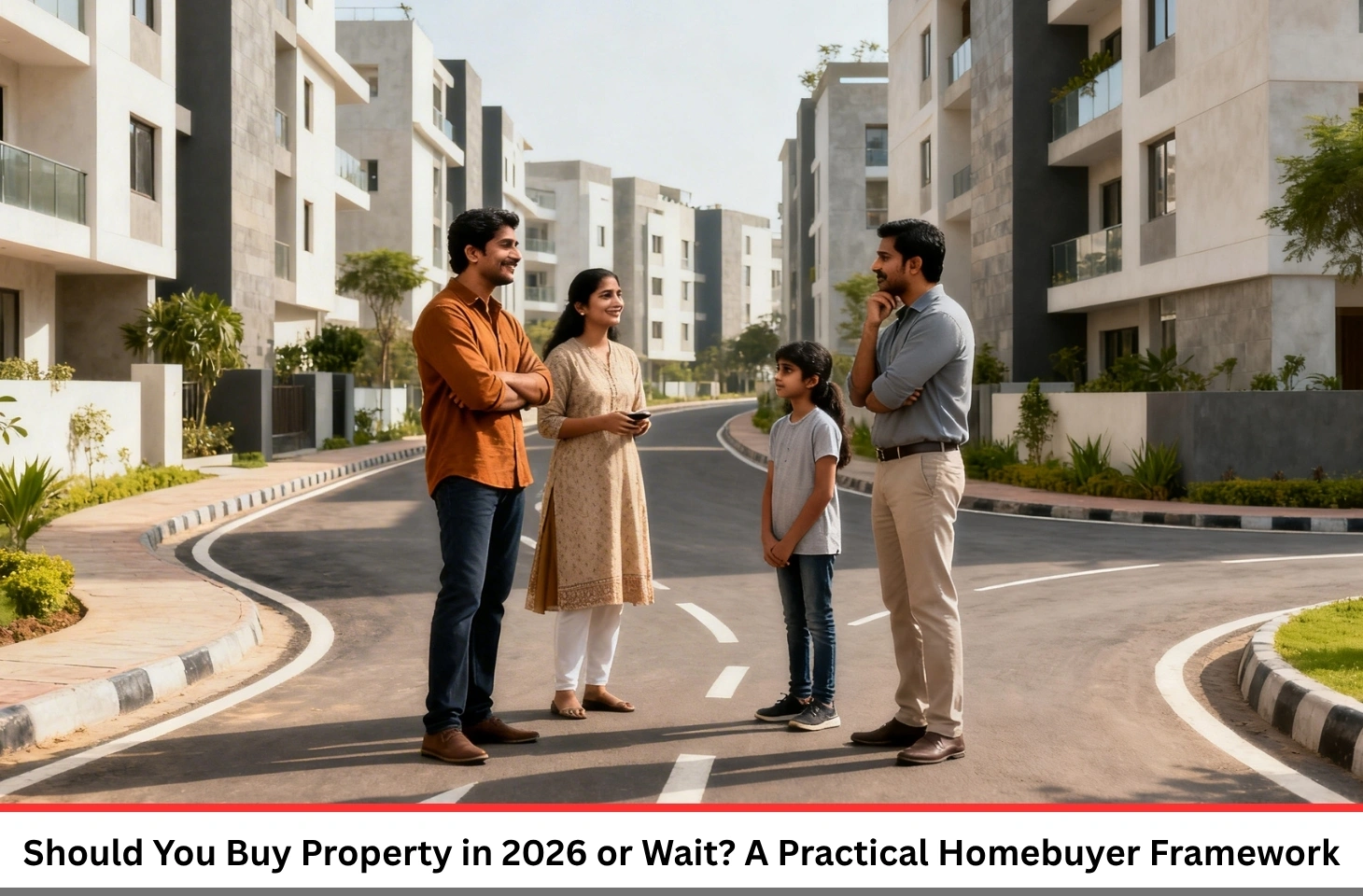
So what should a prospective buyer do? Instead of scouring headlines, let's use a simple checklist based on your situation.
Buy now if... you are financially prepared and oriented to medium/long term. Concretely, this means:
Consider waiting if... your situation isn't stable or clear:
In those cases, it's wise to sort out your finances and priorities first. Rushing into a purchase without being ready can be riskier than a "bad price".
Reassess if... you find your decision is driven by "waiting for prices to crash." Ask yourself:
If you are only playing the waiting game, take this blog as your wake-up call: timing the entire market rarely pays off in real estate. Instead, focus on buying right.
Explore available homes in Jaipur
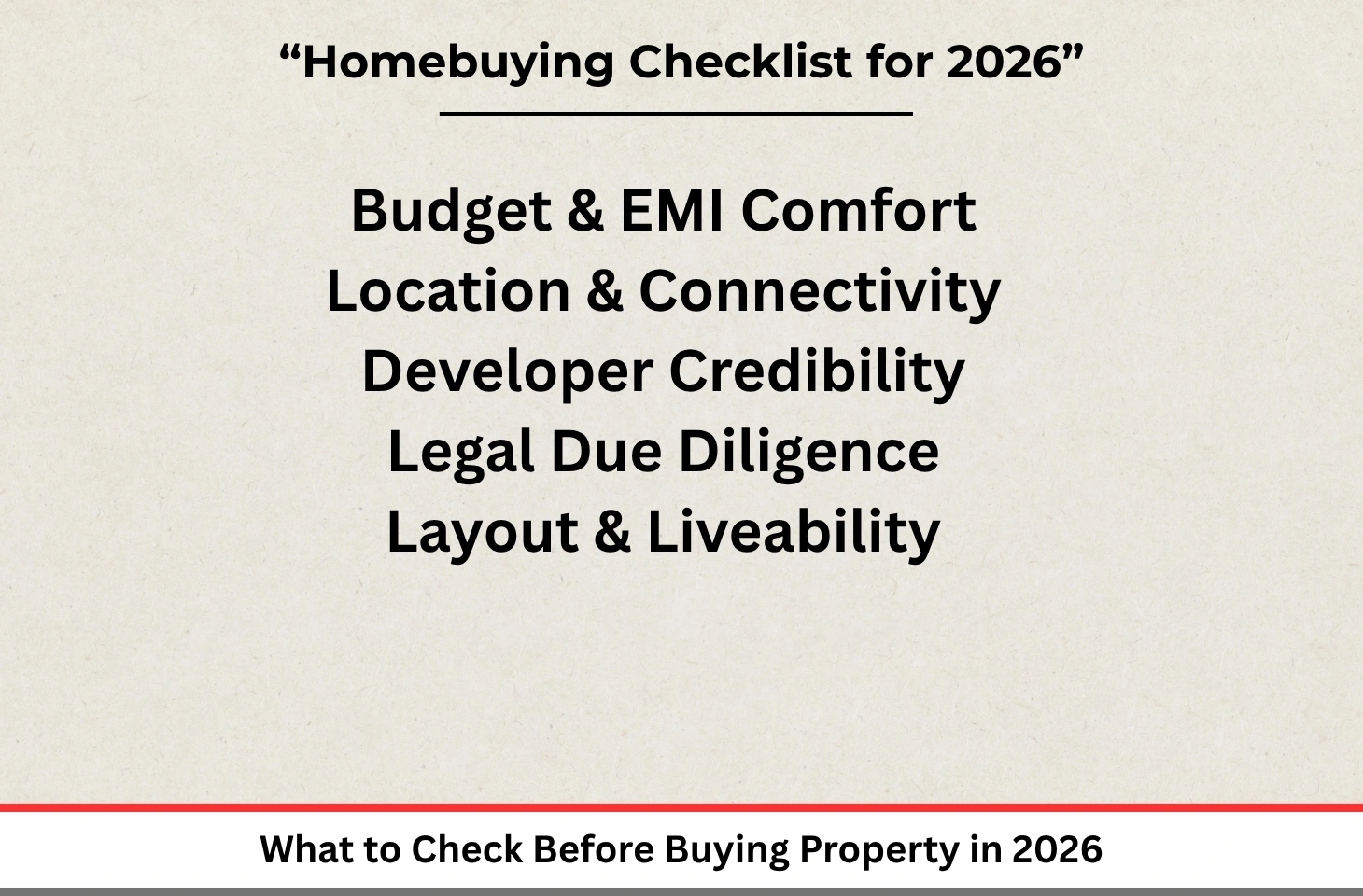
Once you decide to buy, how and where you buy is crucial - often more important than the exact timing. This is a good moment to double-check all the usual homebuying criteria:
In short, follow the checklist you'd use any year - only with extra focus on budget comfort and builder trust. If you cover these bases, the exact market timing (crash or no crash) becomes far less critical.
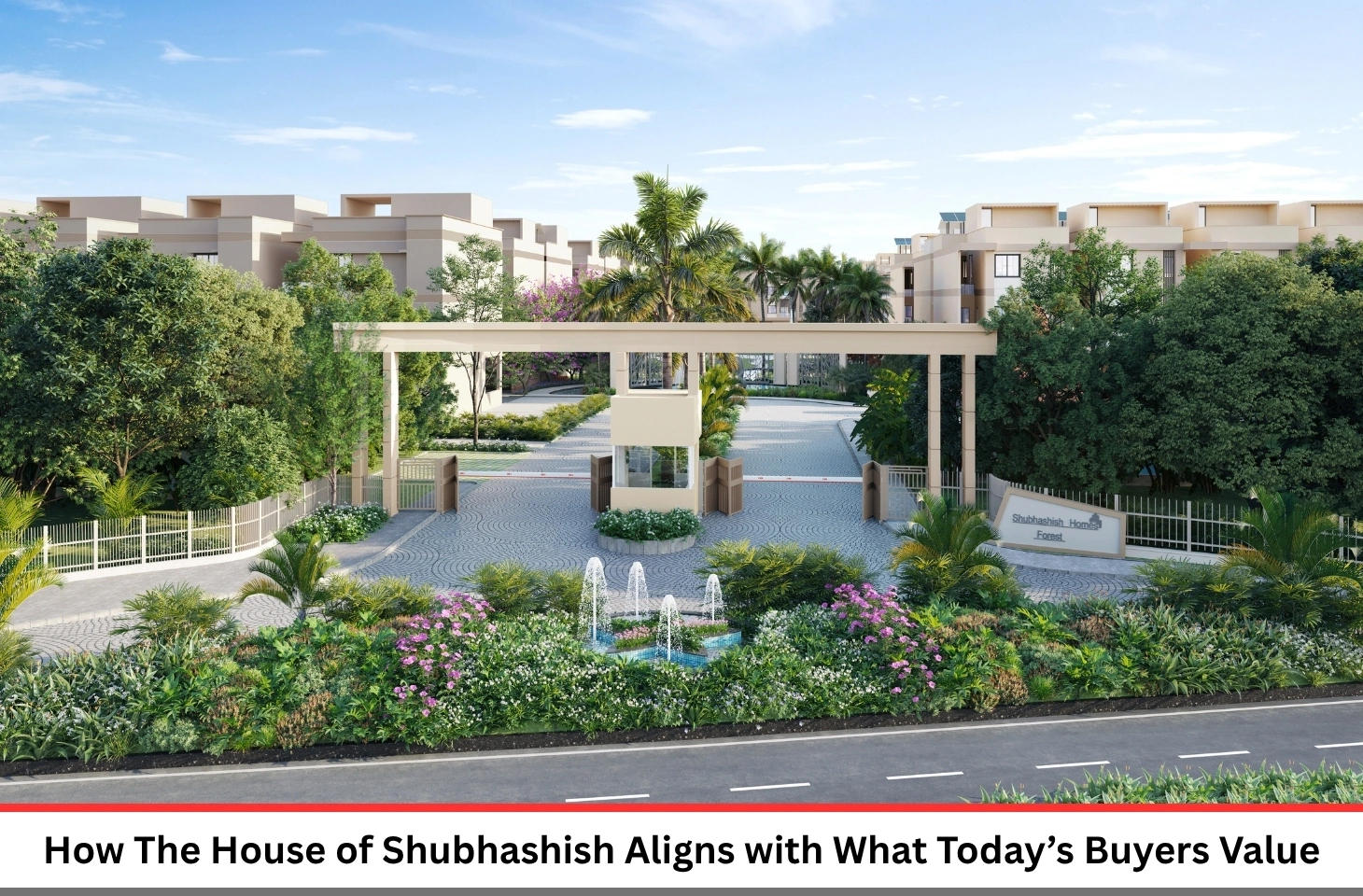
By 2026, successful homebuyers are clear about what they want: solid value, not the lowest price. The House of Shubhashish understands this mindset. Our projects in Jaipur are chosen in strong locations (Jagatpura, Mansarovar Ext, Ajmer Road) exactly because these corridors are expected to grow.
We also focus on quality-of-life features: landscaped gardens, clubhouses, jogging tracks, and homes designed for modern families.
This meets buyers' demand for long-term community living.
If you want to buy a home in Jaipur, call +91 7413 99 33 99 and explore our projects and see how we deliver the thoughtful, future-focused living spaces that today's Jaipur homebuyers are looking for.

 Enquiry
 Call
Call Whatsapp
 Contact us