10 Apr 2026 / The House of Shubhashish

Buying a home is never just a financial transaction. It is a decision that shapes your mornings, your routines, your sense of belonging. For most families, it is one of the largest commitments they will ever make. In a market as active as Jaipur's right now, where property values have climbed steadily and new projects are being launched across corridors, the excitement around homebuying is entirely understandable.
But excitement, if left unchecked, can sometimes move faster than judgment.
The right home is not just the one that looks beautiful on a site visit. It is the one that holds up over time: legally, structurally, locationally, and as a place you genuinely want to come back to every day. Before you sign anything or transfer any funds, there are five things every buyer in 2026 must look at carefully. Not because buying a home is complicated, but because knowing what to look for makes the process confident, clear, and far more rewarding.

This is the foundation of any sound property decision, and yet it is often the part that buyers rush through in the energy of choosing a home they love.
In Rajasthan, every residential project above a certain size is required to be registered with RERA (the Real Estate Regulatory Authority). This is not a formality. It means the developer has disclosed the project's layout, carpet area, possession timeline, and financial structure on a public portal. You can verify all of this yourself on rera.rajasthan.gov.in. Look for the RERA registration number, check the Quarterly Progress Reports, and confirm that the project details match exactly what the sales team is telling you.
Beyond RERA, ask for the complete title chain, along with certificates that confirms the property carries no existing loans or disputes.
A valid Occupancy Certificate at the time of possession is non-negotiable. Without it, the building has not received official approval for habitation. That single gap can cause complications with home loans, resale, and even utility connections later.
If the legal review feels overwhelming, a property advocate charges a modest fee for a full title opinion. That fee is negligible compared to what it protects.
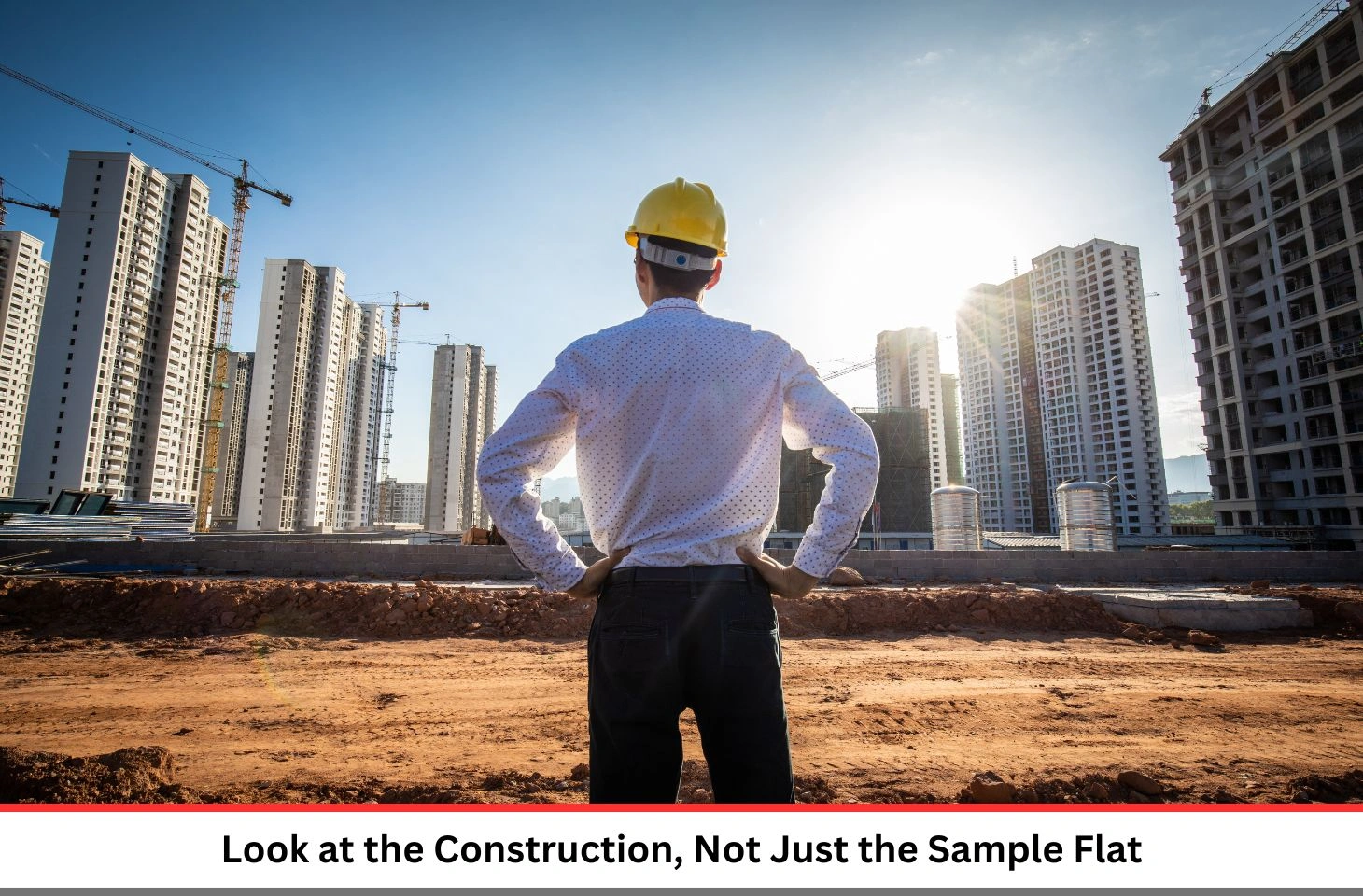
Sample flats are designed to be impressive. The lighting is warm, the finishes are fresh, and everything is in its best possible state. That is their job. Your job, as a buyer, is to look beyond them.
When evaluating construction quality, pay attention to the structure itself rather than just the surface. Ask about the type of concrete used, the thickness of the walls, and whether the building has been designed to meet earthquake resistance standards as per the National Building Code. Check if the open-to-built-up ratio is generous, which usually signals that the developer has not over-packed the plot at the expense of light, ventilation, and resident comfort.
If you are buying an under-construction or near-possession unit, consider a professional home inspection. These services (which typically cost a few thousand rupees for a standard apartment) use tools like thermal cameras to detect hidden dampness, check plumbing pressure, test electrical wiring, and assess whether tiles, walls, and ceilings are finished without defects. It is a small investment that can prevent significant inconvenience post-handover.
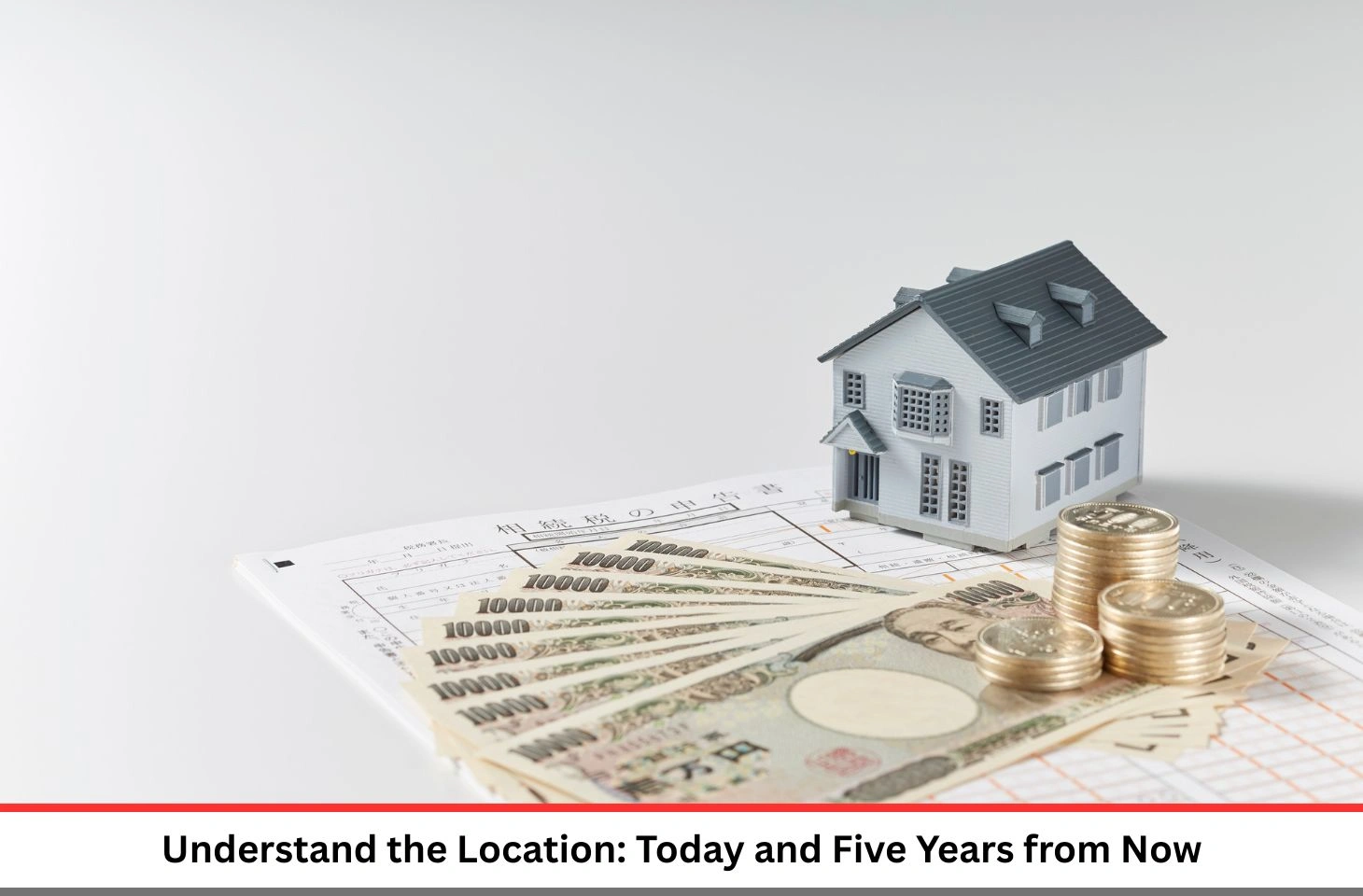
A home's address determines more than its postal code. It determines your commute time, your children's school options, how quickly an ambulance can reach you, and whether the value of your investment grows steadily or stagnates.
Jaipur in 2026 is going through a significant infrastructure transformation. The Metro Phase-2 alignment, once complete, will connect Tonk Road, Sitapura, the International Airport, Mansarovar Extension, and several other key corridors. The Northern Ring Road (a large-scale access-controlled project spanning multiple entry points across the city) is set to ease inter-city movement and open up newer residential zones along Ajmer Road, Kalwar Road, and beyond.
For a buyer, this matters. Properties along confirmed infrastructure alignments have historically appreciated meaningfully ahead of the broader market. But appreciation aside, the more immediate question is: does this location work for your daily life?
Drive the route to your workplace at peak hours. Identify the nearest schools, hospitals, and grocery options. Check whether the area has reliable water supply and power infrastructure. Ask about the neighbourhood's development trajectory. Is it maturing, or is it still catching up? A well-located home in a developing corridor can be a sharp decision. A home that is simply remote without a clear growth catalyst is a different matter entirely.
Also Read: Jaipur Real Estate 2026: Best Areas to Invest in Jaipur for Future-Ready Living
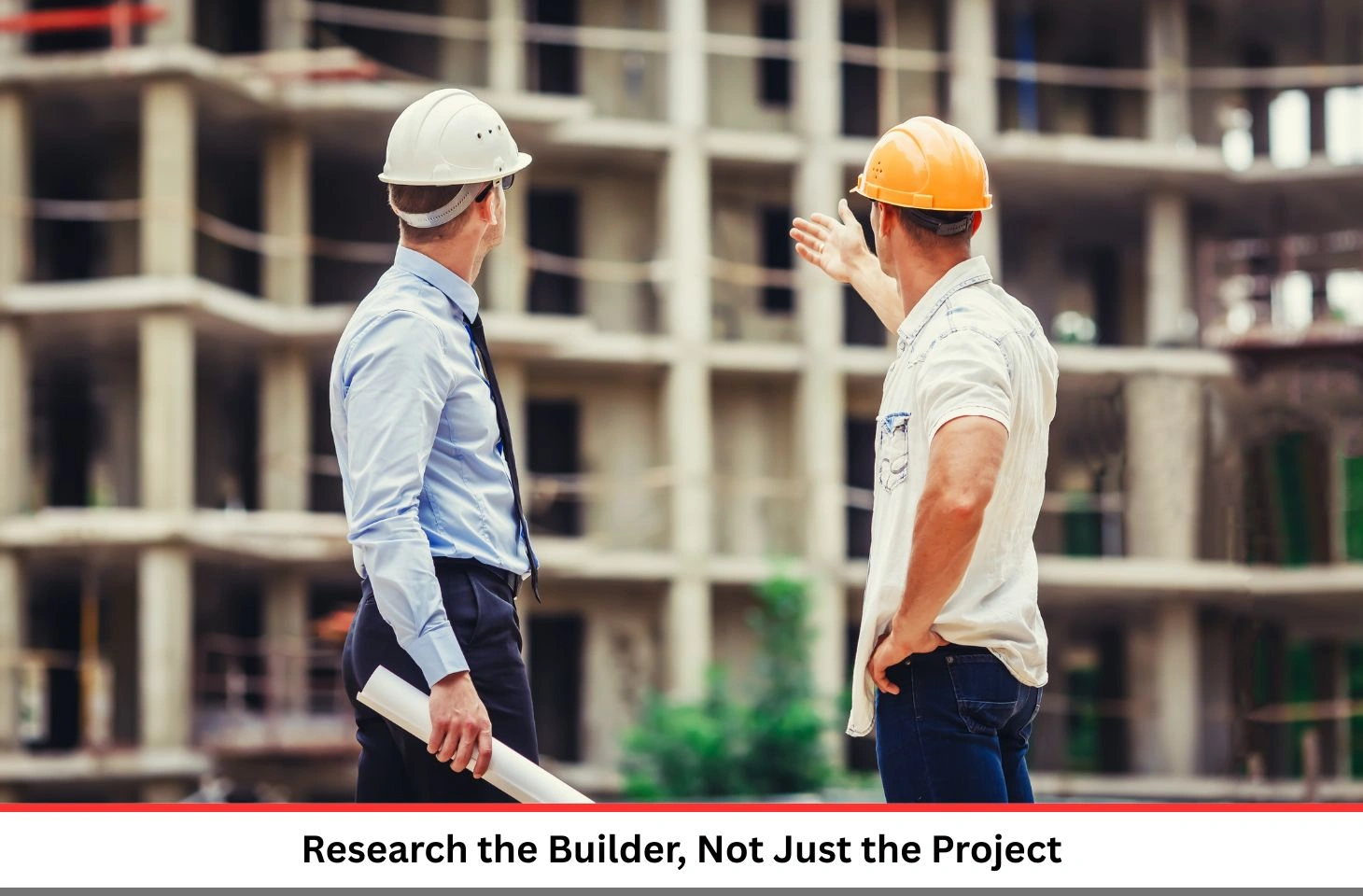
Every builder sells a vision. The better question is: how many of those visions have actually been delivered?
A developer's track record is publicly visible in more ways than it used to be. The RERA portal lists a promoter's registered projects along with their complaint history, recovery warrants (if any), and progress status. This is factual, verifiable information that tells you far more than a brochure ever will.
Look for a builder who has delivered projects on or close to their committed timelines. Visit completed properties if possible, and speak to residents (not sales agents) about their experience. Ask specifically about the handover process: were the finishing standards consistent with what was promised? Was the facility management set up promptly? Were common areas and amenities handed over ready-to-use?
A developer with a long track record in a single city has more to protect. Their reputation is local, their buyer community overlaps, and accountability is more personal. That dynamic tends to produce better outcomes for buyers than a developer who launches aggressively and moves on.
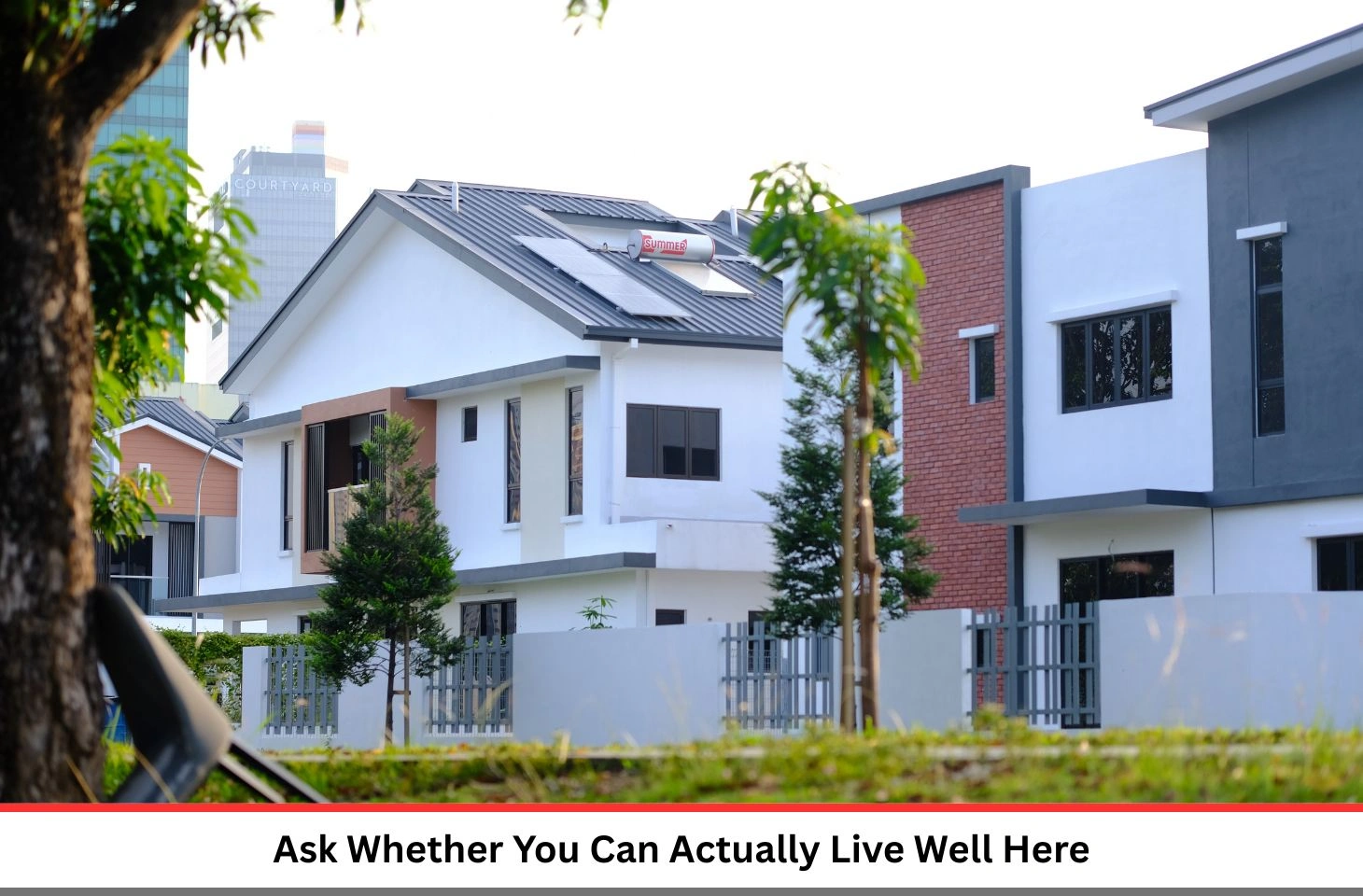
This last point is perhaps the most personal, and in 2026, it carries more weight than it used to.
The way people use their homes has changed. Remote work, longer weekday hours, and a growing awareness of health and wellbeing have shifted what buyers want from residential communities. The question is no longer just "how many square feet?" but "what does daily life look like inside this address?"
Genuine gated communities with professional facility management tend to hold their quality over time. Amenities that are realistically scaled for the number of residents (pools, fitness areas, green walkways, community spaces) add to daily life in ways that show up quietly but consistently. Multi-tier security, EV charging at parking bays, sustainable design features, and well-maintained common areas are no longer luxuries reserved for the ultra-premium segment. They are increasingly the standard that informed buyers expect.
When you visit a project, look at the ratio of open green space to built-up area. Sit in the clubhouse. Walk the perimeter. Check whether the amenities are operational or perpetually "coming soon." Speak to residents of the builder's completed projects about maintenance costs and how responsive the management team is to day-to-day concerns.
A home that supports your health, your family's routines, and your sense of community is not just more enjoyable to live in. It also tends to hold and grow its value more reliably than one that competes only on price per square foot.
The Jaipur residential market today offers genuine opportunities for buyers across segments. But in a market where prices have moved meaningfully and choices are abundant, the buyers who make the most of this moment are the ones who approach it with a clear checklist, not just enthusiasm.
Verify the documents. Walk the structure. Understand the location's future. Research the person delivering your home. And ask honestly whether this address suits the life you want to lead.
These five checks do not slow down the process of buying a home. They make it better.
At The House of Shubhashish, we build not just residences, but communities where families put down roots. Every project we develop is RERA-registered, delivered with transparency, and built around the idea that a home should offer more than shelter. If you are considering a home in Jaipur and would like a conversation without any pressure, we would be glad to help you find the right fit.
Explore our current residences or get in touch. Call: +91 7413 99 33 99

 Enquiry
 Call
Call Whatsapp
 Contact us