21 Apr 2026 / The House of Shubhashish

When most people evaluate a home, they think about location, carpet area, and the finish quality. Very few look up at the rooftop or down at the parking bay. Yet quietly, methodically, and with growing statistical certainty, those two overlooked spaces, a solar array above and an EV charging point below, are becoming the most financially consequential features a residential property can carry.
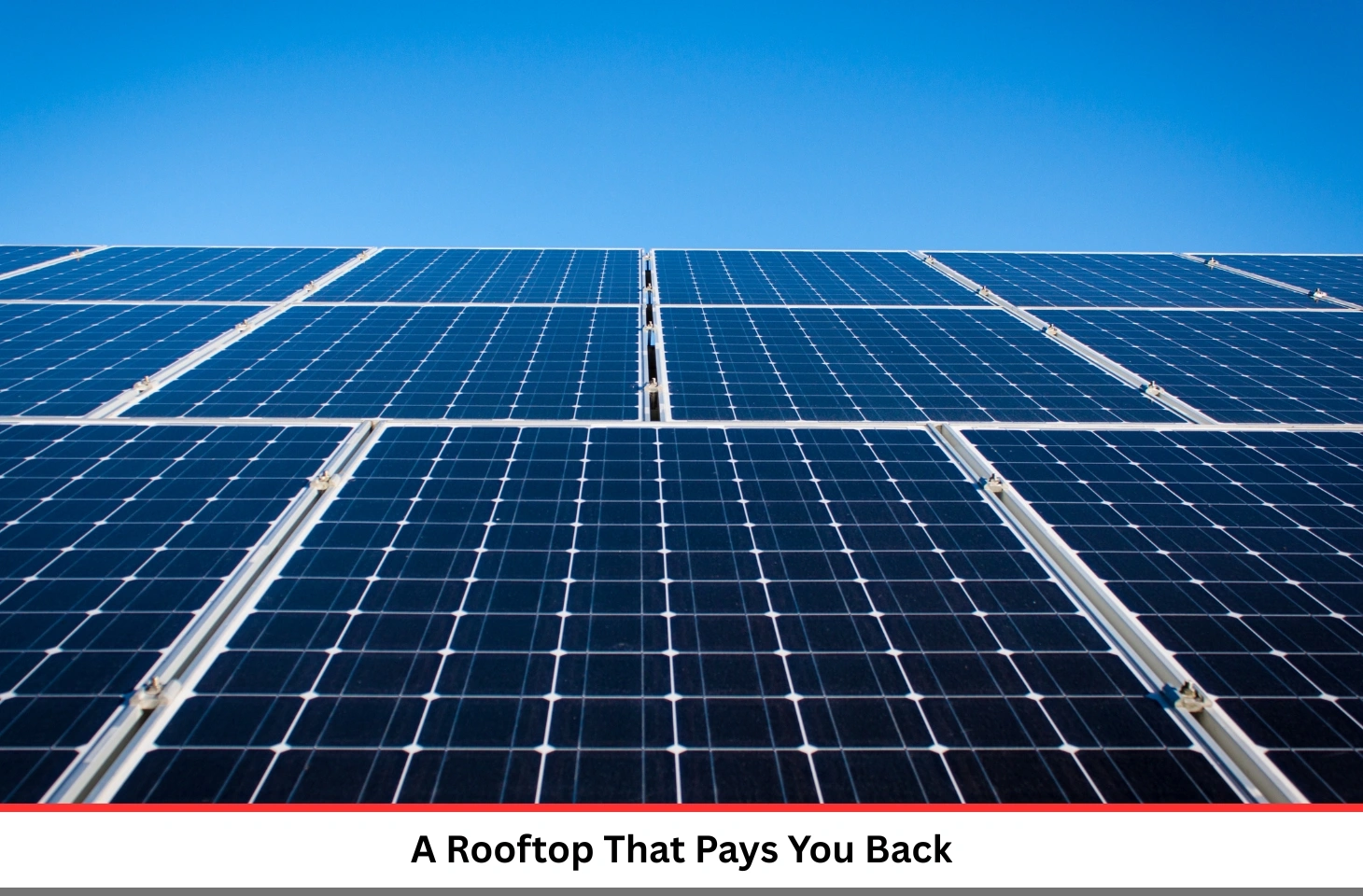
Research on residential solar and property value is no longer preliminary or anecdotal. It is deep, peer-reviewed, and consistent across markets.
The Lawrence Berkeley National Laboratory, operating under the United States Department of Energy, conducted one of the most rigorous studies ever undertaken on this subject, analysing nearly 22,000 home sales across eight states. The finding was clear and repeatable: buyers consistently paid a premium for homes with pre-installed solar systems, approximately $4 per watt of installed capacity. For a standard residential system, that translated into roughly $15,000 in additional sale value, realised at the moment of transaction, on top of the ongoing savings on energy bills.
Zillow, whose data platform tracks more residential property transactions than any other entity in the world, corroborated this in its own analysis: solar-equipped homes sell for an average of 4.1% more than comparable homes. More recent transaction analyses have pushed that figure closer to 6.8% to 6.9% in active markets. To put that in an Indian context, on a home valued at ₹1.5 crore, a 6% solar premium represents over ₹9 lakh in additional recoverable resale value. On a ₹3 crore luxury home, that figure crosses ₹18 lakh.
The National Association of Realtors, the world's largest real estate professional body, has documented an equally important parallel advantage: homes with solar integration and eco-friendly features sell measurably faster than comparable conventional homes. In a market where carrying costs accumulate and timing matters, a home that finds its buyer sooner delivers meaningfully stronger net returns.
The underlying logic is rational and straightforward. Buyers pay more for solar-powered homes because they are paying for energy independence, for predictable lifetime operating costs, and for protection against a certainty every homeowner already knows: that electricity tariffs will keep rising. A home that addresses this reality from day one is, by any serious valuation framework, worth more.
For years, the conversation around sustainable homes in India occupied the margins. It was a talking point at architecture conferences and a footnote in luxury project brochures. That moment has passed. What is happening now is of an entirely different order.
Mercom India, the country's most authoritative clean energy research portal, has documented a rooftop solar surge in India that signals a genuine shift in how households are thinking about energy ownership. The residential segment is leading this growth, and it is accelerating, not plateauing. Indian homeowners are no longer waiting for solar to become mainstream. They are making it mainstream.
Rajasthan sits at the heart of this transition. With some of the highest solar irradiance in the country and rising grid electricity costs, the economics of rooftop solar here are among the most compelling anywhere in India. The central government's PM Surya Ghar: Muft Bijli Yojana scheme, which subsidises a significant portion of residential solar installation costs, has made this decision even easier for homeowners. The result is that Rajasthan has emerged as one of the top five states in the country for rooftop solar adoption, and the momentum is building.
Also Read: Jaipur Real Estate Outlook 2026-2030: What the Future Holds
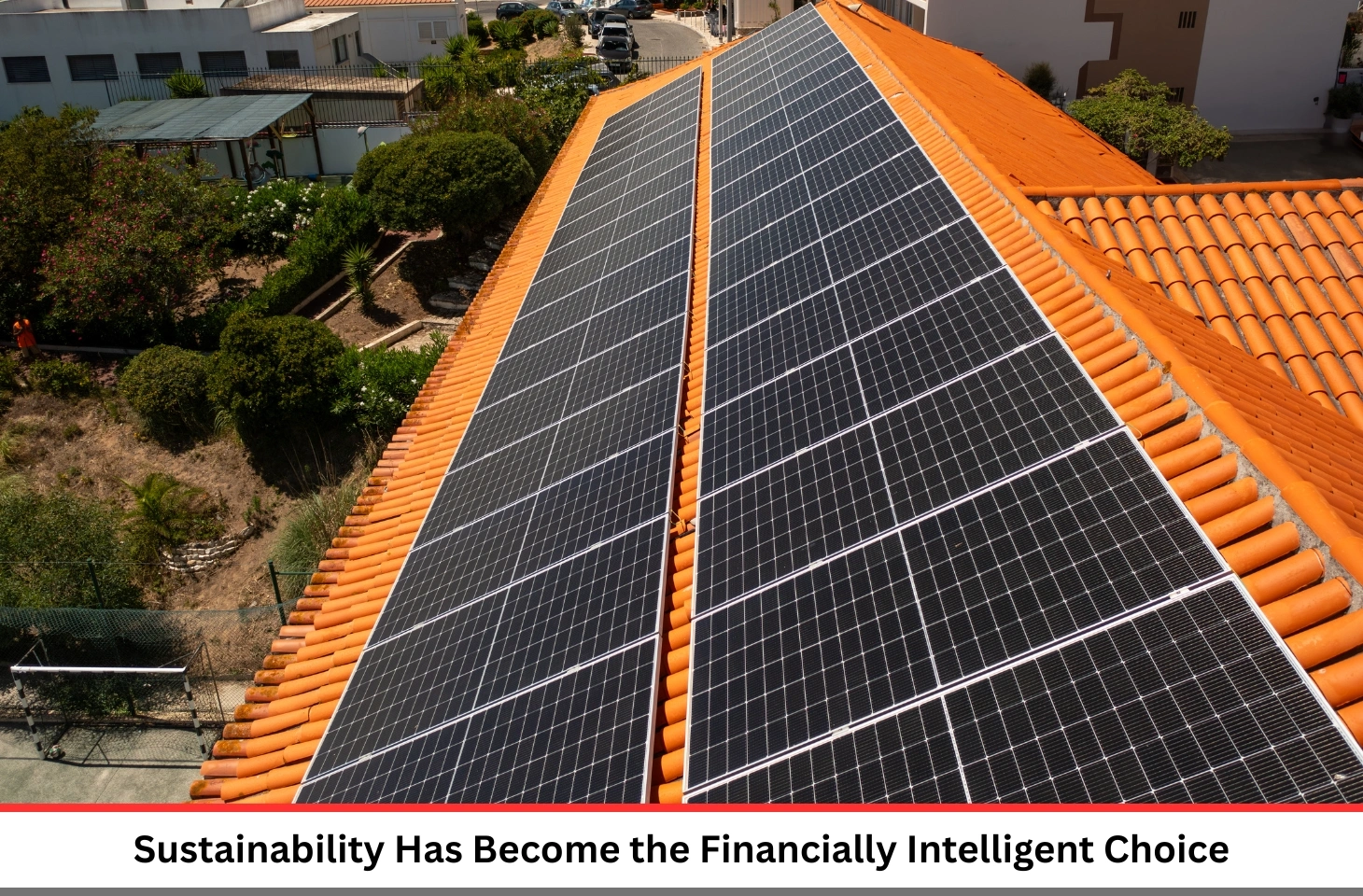
There is a shift happening in how Indian home buyers think about what a property should do for them. It is worth pausing to understand it, because it changes the entire logic of how a home should be evaluated.
For a long time, sustainability in real estate was framed as a conscience decision. Buyers who chose green homes were seen as prioritising the environment over practicality, accepting trade-offs in cost or convenience in service of a larger belief. That framing is now outdated, and the buyers leading today's market know it.
The modern Indian buyer, whether a young professional in Jaipur, a family upgrading to their forever home, or an NRI evaluating long-term asset performance, approaches a solar-powered, EV-ready home through an entirely practical lens. They see a home with structurally lower running costs from the first month of ownership. They see a property that will require no expensive upgrades as energy tariffs rise and EV ownership becomes the norm in their household. And they see an asset that will speak directly and compellingly to the next generation of buyers when the time comes to sell.
This is the quality that makes the sustainable home premium genuinely durable. It is grounded in macroeconomic forces that are moving in one direction: energy costs rising, EV adoption accelerating, green building standards tightening, and a generation of buyers entering their peak home-purchasing years with sustainability already embedded in how they think about value.
The Observer Research Foundation, India's leading independent policy think tank, has observed that home charging infrastructure will be among the defining variables in India's electric vehicle adoption story. Residential projects that resolve this at the point of construction, rather than leaving it as a future problem for residents to solve, carry an advantage that deepens in value as the broader market catches up.
Sustainability, in this reading, is simply good judgement expressed in brick and mortar.
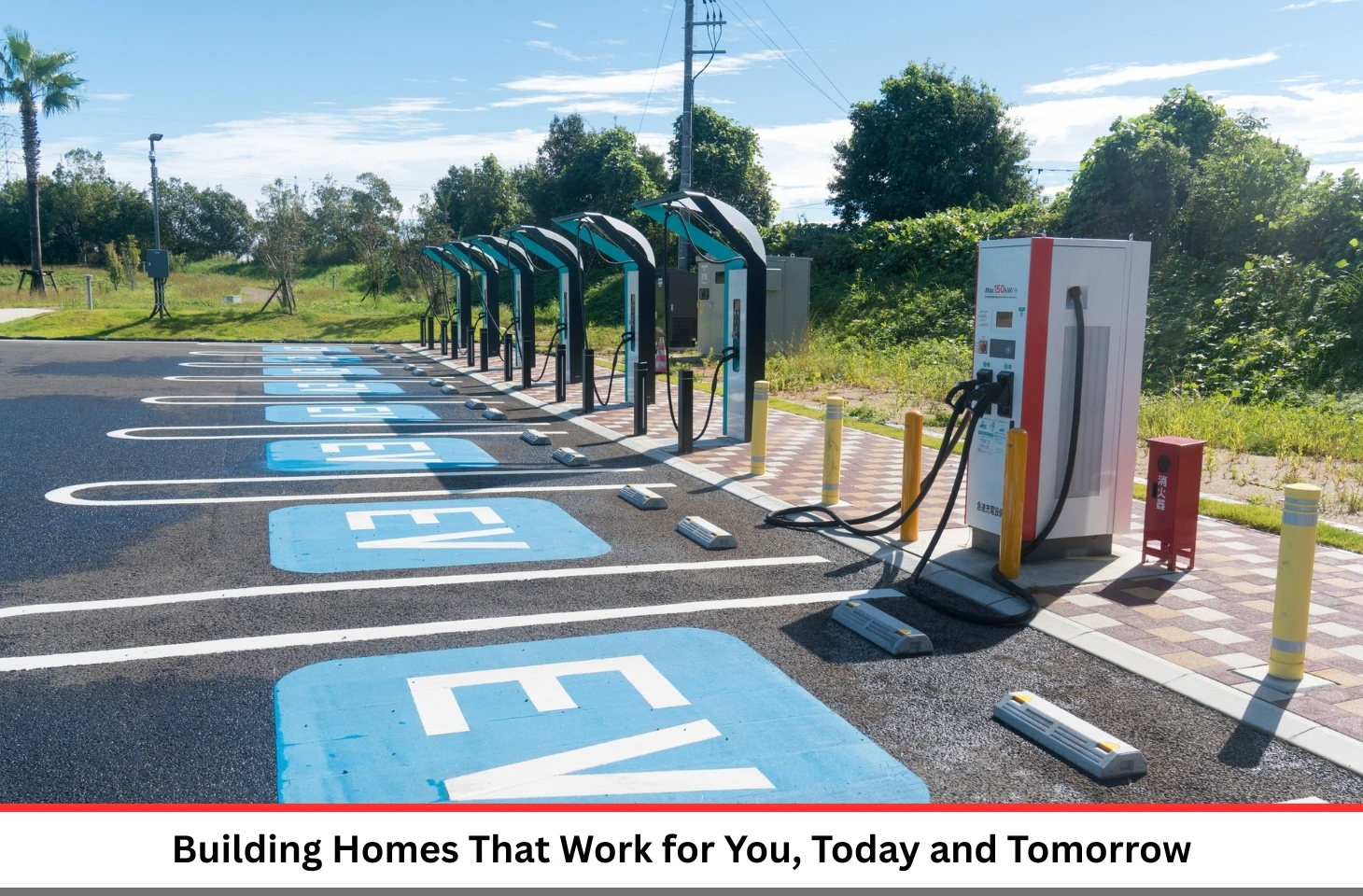
At The House of Shubhashish, we have held a conviction for some time that a home is not just a physical asset. It is a long-term financial ecosystem - one that should continue to generate value, reduce costs, and adapt to the world around it, long after the keys are handed over.
This is why we chose to integrate rooftop solar and dedicated EV charging infrastructure across our projects before either became a regulatory expectation. Not because it was a checklist item, but because we believe that every home we build should be as intelligent about energy as it is considered about space and design.
At Shubhashish Forest, our luxury villa community on Ajmer Road, every home is solar-powered and equipped with its own EV charging point - set within a landscape of 51,000 trees and a 120-metre central canal. These are not marketed as green features. They are simply how we believe a thoughtfully designed home should work in 2025 and beyond. The same philosophy carries through to Shubhashish Marina and across our broader residential portfolio, where smart water management, source-segregated waste systems, and expansive green open spaces are not add-ons - they are the foundation.
When you invest in a home with us, you are not paying a premium for sustainability. You are buying a home that the market will recognise as premium - because it is built for where energy costs, mobility, and buyer expectations are going. The ROI is not hidden from us. We designed for it.

The question that opened this piece was about what really drives property value. The answer, increasingly, is not what's inside the four walls. It's what sits on the roof and waits in the parking bay.
Solar integration and EV infrastructure are no longer features on a wish list. They are financial instruments - ones that reduce operating costs, accelerate sale timelines, and deliver measurable premiums at the point of resale. In India, where energy tariffs are rising, EV adoption is accelerating, and 57% of buyers are already filtering for green credentials, the case is not simply compelling. It is, by any rigorous financial analysis, obvious.
The homes that will hold their value most confidently through the next decade are the ones being built today with this understanding already built in. The only question worth asking is: does yours?
Book a private site visit to experience the Shubhashish lifestyle first-hand. Call 7413 99 33 99.

 Enquiry
 Call
Call Whatsapp
 Contact us