24 Jul 2026 / Subhashish Homes
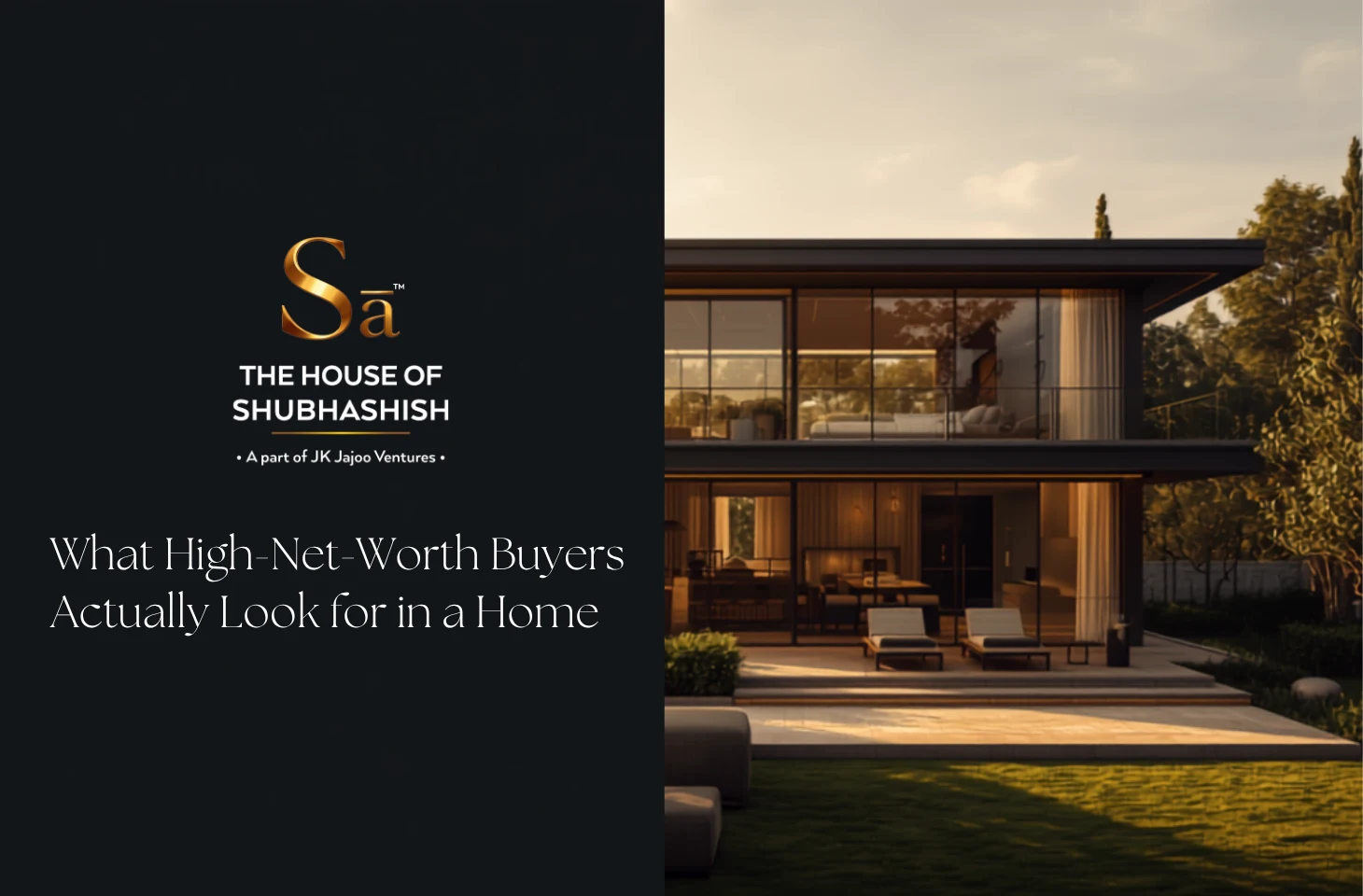
A generation ago, a luxury home announced itself the moment you walked in. Imported marble underfoot, a chandelier overhead, a floor plan wide enough to echo. Wealth wore its taste on the walls, and the market obliged. That definition has slowly retired. Today's affluent buyer arrives better travelled, better informed and far harder to impress, having benchmarked homes against the finest hotels, wellness retreats and branded residences around the world.
The result is a sharper, more demanding checklist. Ask what luxury home buyers weigh before they sign, and five themes surface again and again: trust, community, privacy, sustainability and long-term value. Understanding these five explains almost everything about how the premium real estate conversation has changed, and this guide walks through each in turn.
One thread ties them together. Today's wealthy buyer is unusually well informed, able to tell genuine quality from surface polish within moments. That discernment raises the bar for everyone who wants to earn their business, and it makes the five themes below the real currency of the modern market.
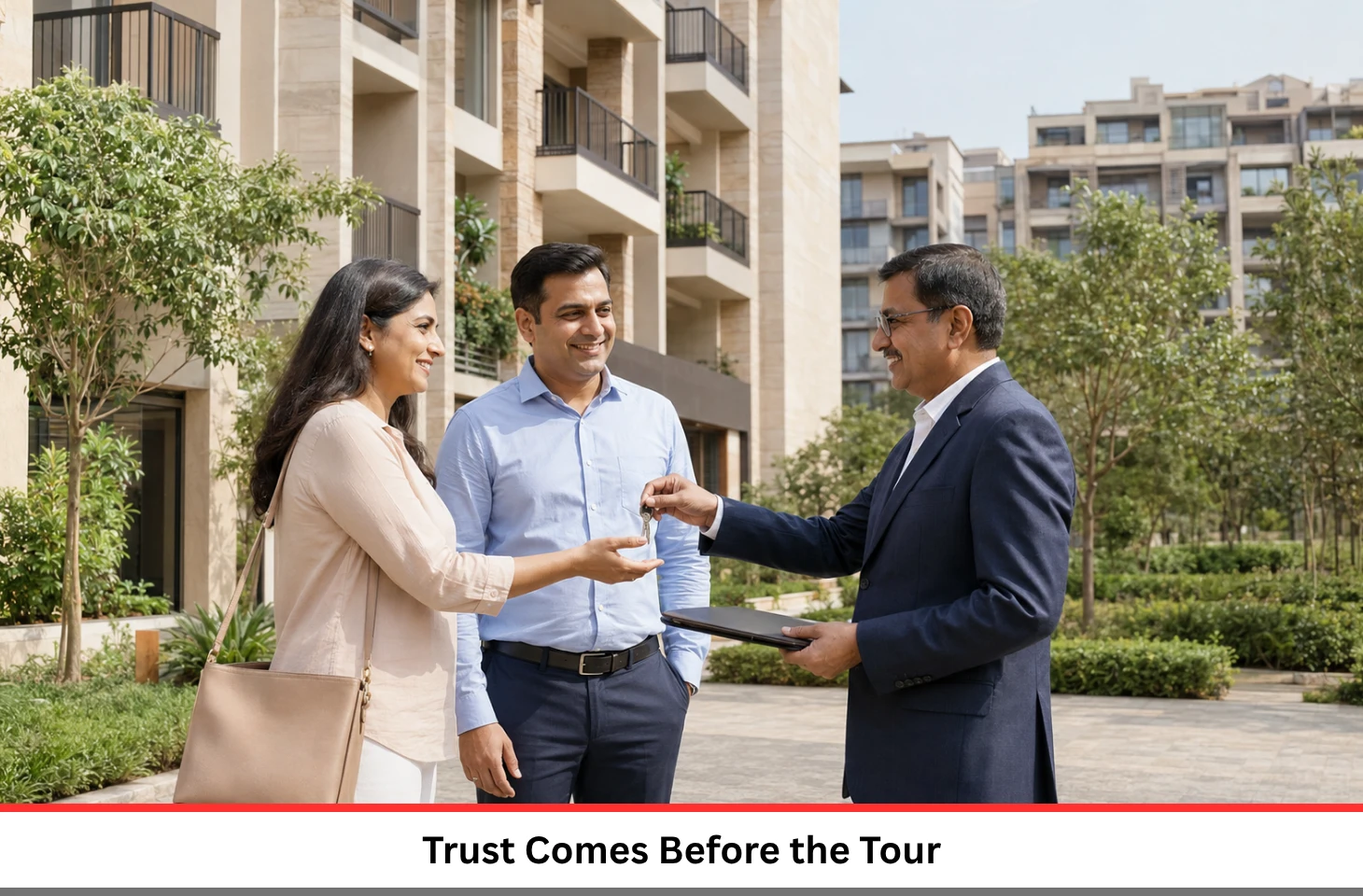
For a purchase of this size, confidence in the developer now matters as much as the address. Wealthy buyers do their homework long before a site visit, studying delivery records, construction quality and the track record of everyone whose name sits on the project. A reputation earned over years does the quiet work of reassurance that a glossy brochure can only aspire to.
This is why branded residences have surged in popularity, commanding a premium of 30 to 40 percent over comparable stock, according to industry estimates. Buyers pay that difference for legacy, accountability and the certainty that promises will hold. The lesson for anyone weighing luxury property investment is simple: the builder behind the home is part of the asset, so a proven name carries real financial weight.
Confidence gathers around a few concrete signals. A history of handing over on schedule. Transparent paperwork, from RERA registration to a clean title. Honest communication through every stage of construction. Quality that stays consistent from the show flat to the final handover. Buyers reward developers who treat these as standards rather than selling points.
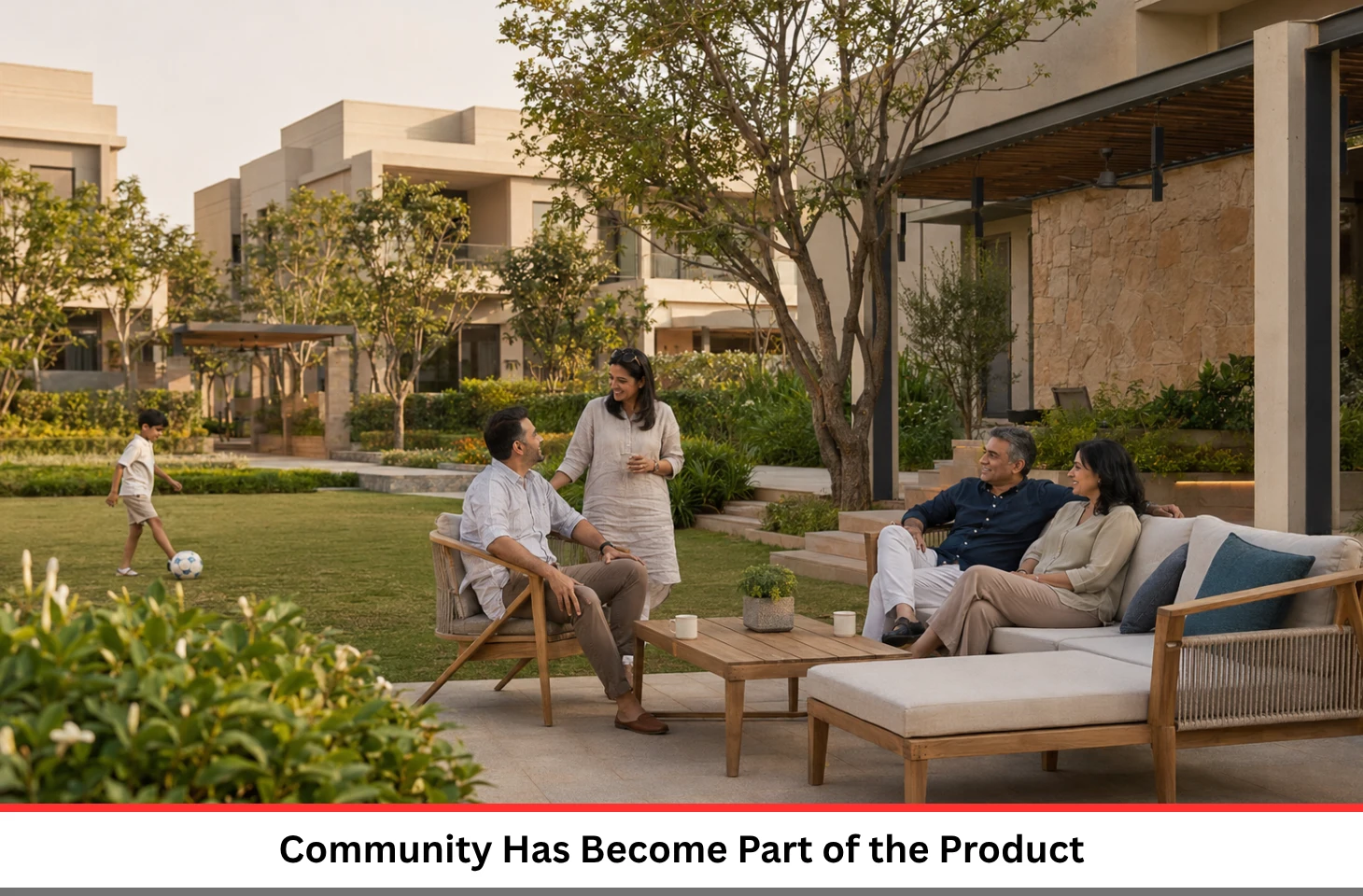
A striking shift over recent years is how much the people next door influence the decision. Affluent buyers want to live among peers who share their outlook, their standards and their stage of life. The neighbourhood itself, its character, its calibre, its sense of belonging, has grown into a feature buyers actively shop for.
This appetite explains the rise of gated, amenity-rich developments that function as small, self-contained worlds. Curated premium lifestyle homes offer more than four walls: shared clubhouses, sports facilities, landscaped commons and social spaces where relationships form naturally. For families, the pull is stronger still, since a safe, like-minded community shapes the daily lives of children and elders alike. A well-designed development sells a circle to belong to, and that circle keeps its value over time.
A strong community also protects the investment behind it. When neighbours share standards of upkeep and conduct, common areas stay pristine, disputes stay rare, and the address keeps its shine year after year. Prospective buyers sense that atmosphere within minutes of arriving, and they pay for it willingly. In this way, the social fabric of a project quietly reinforces its financial worth, turning a pleasant place to live into a resilient place to own.
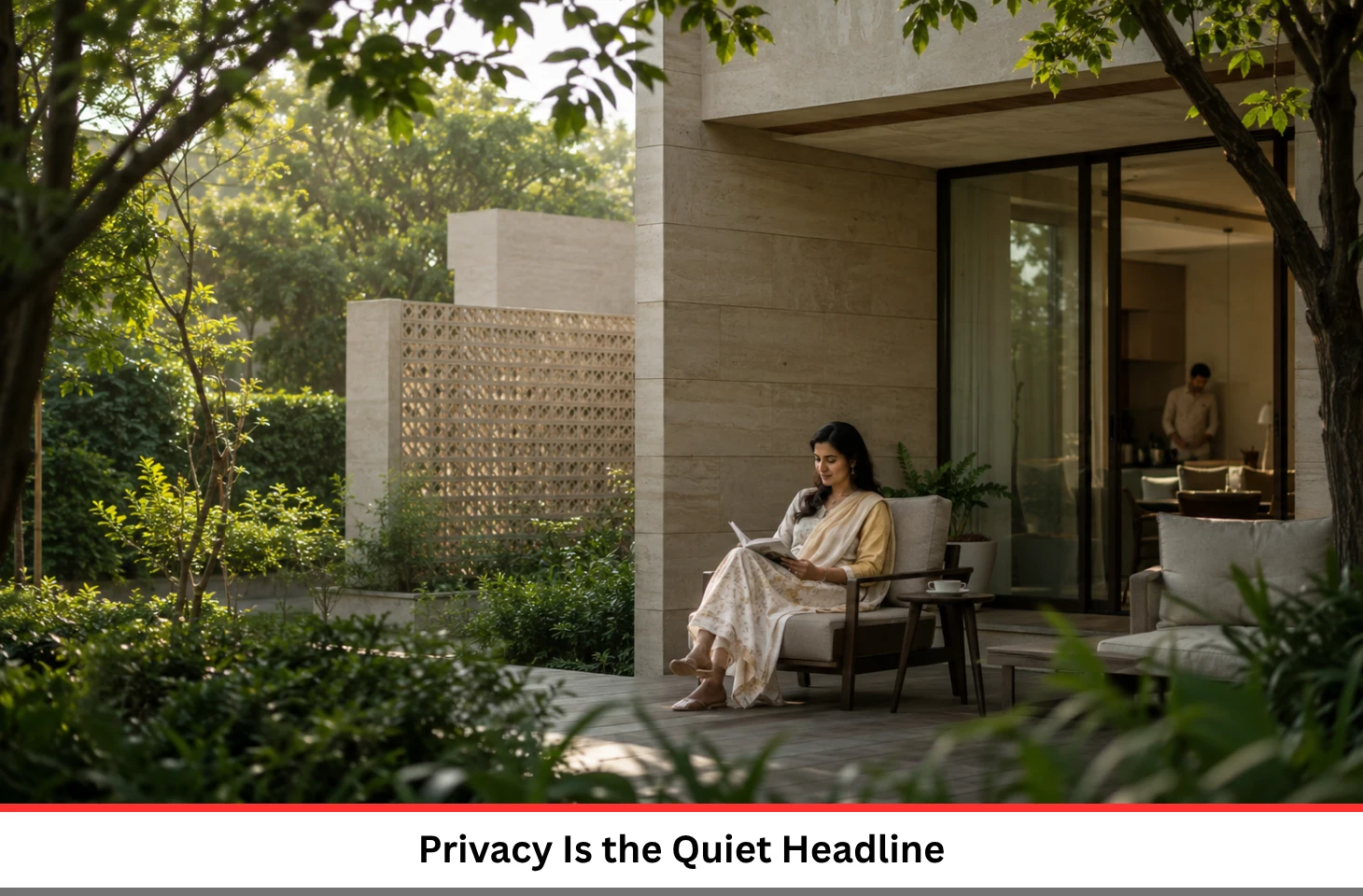
As cities grow denser and public life grows louder, the ability to retreat has become one of the most prized luxury home features of all. For buyers who spend their days visible and available, home is the one place to step out of view, and they will pay handsomely to protect that. Space, distance and discretion now read as pure luxury.
In practice, this desire reshapes design. Low-density layouts replace crowded towers. Homes sit apart, angled so windows open onto greenery rather than a neighbour's living room. Private gardens, generous setbacks and layered landscaping give each residence its own pocket of calm. Add discreet, well-planned security, and the household enjoys both seclusion and safety while daily life stays relaxed and unobserved.
For the modern buyer of high-end real estate, a home that guards their peace is a home worth chasing.
Also Read: The Privacy of Privilege: Why Low-Density Planning is the New Gated Standard
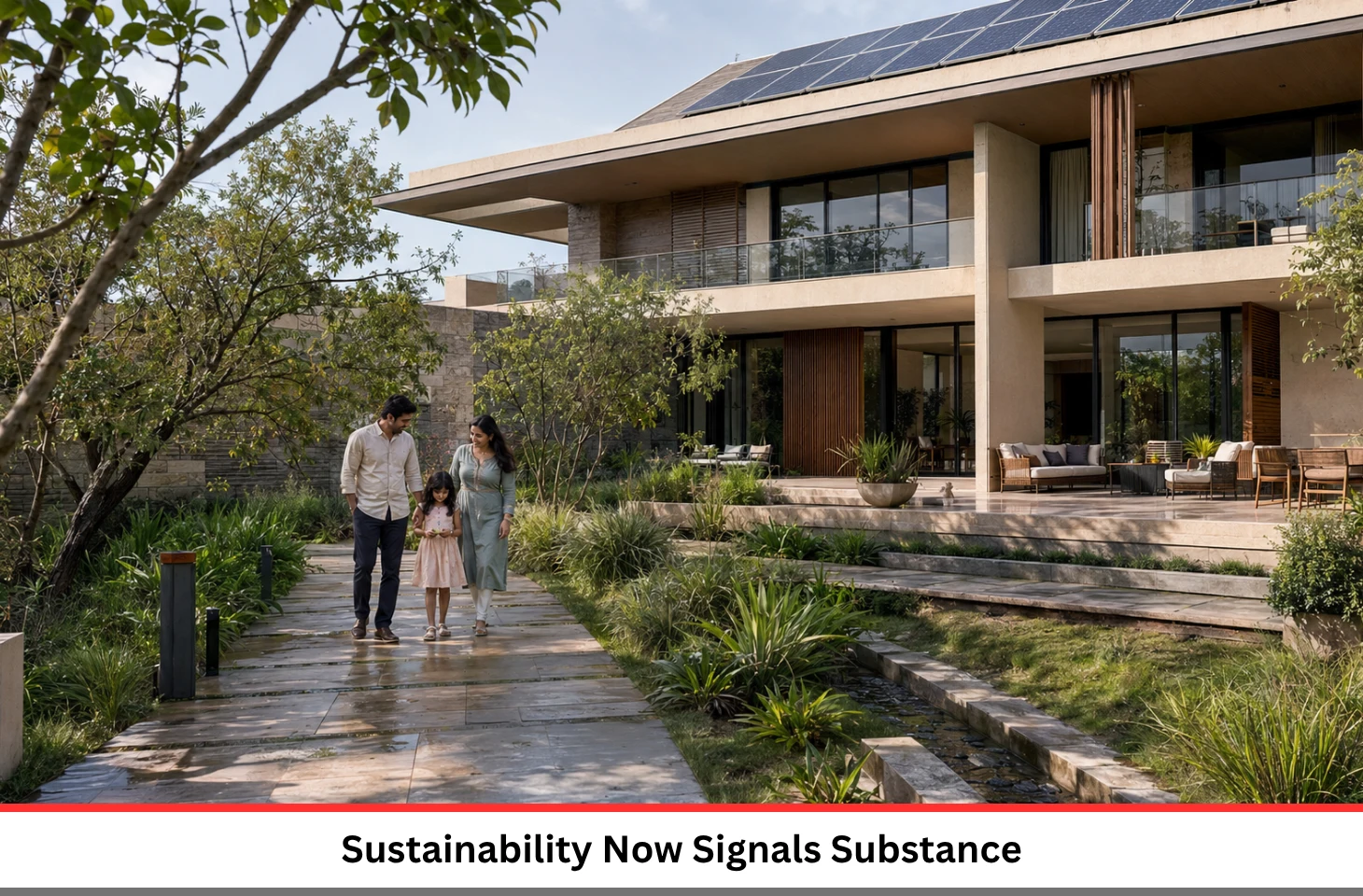
Green credentials have moved from a pleasant extra to a genuine priority, and for reasons both principled and practical. Affluent buyers increasingly expect a home to tread lightly on the planet, and they appreciate that a sustainable home also runs cheaper to own.
The scrutiny tends to focus on a few areas:
These features answer a buyer's conscience and their calculator at once. Lower running costs, healthier surroundings and a credential that supports resale value all flow from the same green thinking, which is why sustainability sits so firmly on the modern checklist.
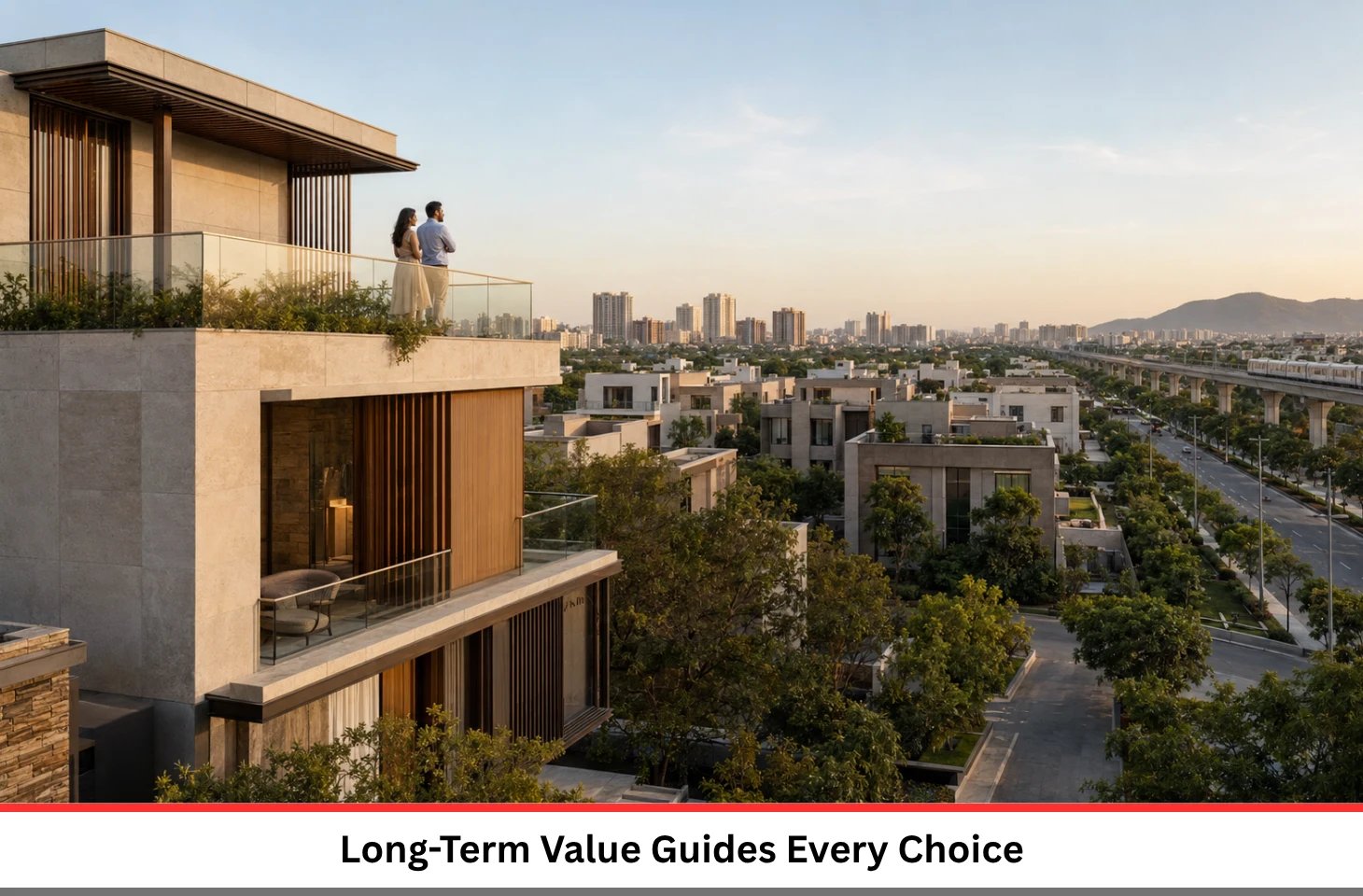
Underlying all four themes runs a fifth: enduring worth. Seasoned buyers treat a home as a lasting asset meant to hold and grow its value across decades and generations, so they weigh every purchase through that patient lens.
It shapes the questions they ask. Does the location sit in the path of genuine growth, near improving infrastructure and rising demand? Will the design age gracefully, favouring timeless materials and layouts over fleeting fashion? Is the developer likely to protect the neighbourhood's character for years to come? Homes that answer these questions well tend to appreciate steadily and resell with ease. Analysts describe current demand across India's premium segment as end-user driven and structurally sound, the healthiest foundation a property class can have, and forecasts place high-net-worth housing investment on a double-digit annual growth path in the years ahead. Small wonder that luxury property buying trends keep circling back to permanence over spectacle.
Wealthy buyers also think a step further, toward the day they pass the home on. A residence that ages well, sits in a maturing location and carries a trusted developer's name becomes a legacy asset, something to hand to the next generation with pride. That inheritance mindset explains why this group researches so patiently and commits so decisively once the fundamentals line up.
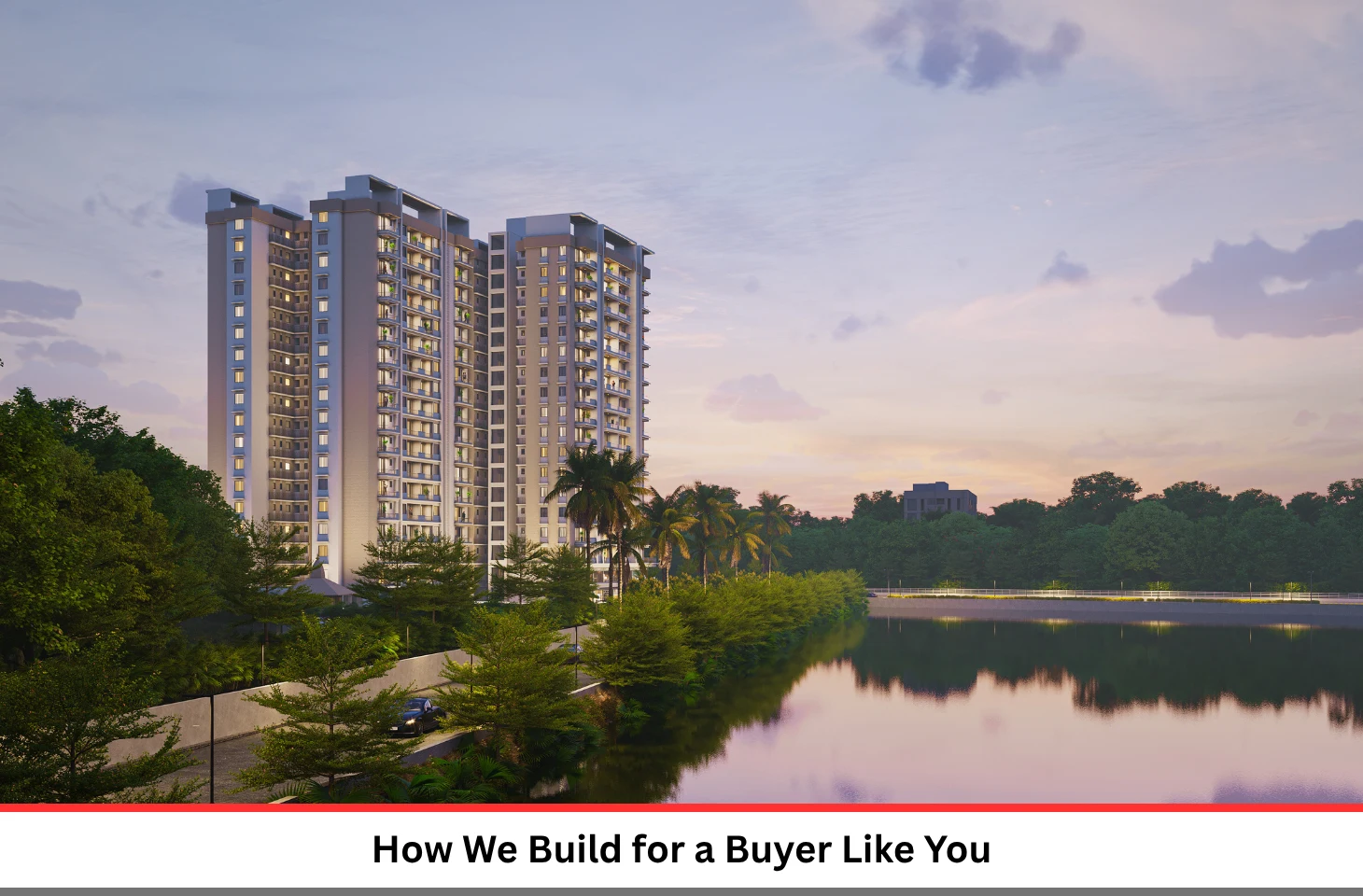
These five priorities describe exactly how we design and deliver at The House of Shubhashish. Across our communities, we plan low-density layouts with wide landscaping and layered security, giving residents the privacy and peace of mind they value most.
We site our projects where Jaipur is genuinely growing, from the villas of Shubhashish Forest on Ajmer Road to the waterfront residences of Shubhashish Marina in Jagatpura, so long-term value is built into the address itself. And by shaping each project as a considered community rather than a cluster of flats, we give buyers a circle worth belonging to. In short, we build the way discerning buyers now think.
Luxury has grown up. It speaks softly now, in the language of confidence, belonging, seclusion, responsibility and lasting worth. Buyers who understand these five themes make wiser decisions, and developers who honour them earn lasting loyalty. If a home built on these principles sounds like the one you have been picturing, come walk our communities across Jaipur, ask us the hard questions, and see how fully the answers hold up.
Reach out to our team, and let us show you what considered luxury feels like in person. Call +91 - 7413 99 33 99.

 Enquiry
 Call
Call Whatsapp
 Contact us